In today’s fast-paced business landscape, understanding how gas prices impact operational costs is crucial for business owners. The fluctuating fuel prices can significantly affect not just transportation expenses but also the overall costs of goods and services. For instance, as of September 2023, prices at the pump reached an average of approximately $3.76 per gallon nationally, driven by seasonal demand and supply disruptions. In this context, relying on competitive fuel providers becomes essential. This is where Sam’s Club shines; with an average gas price of around $3.70 per gallon, it often undercuts local competitors, offering substantial savings for businesses that depend on fuel. By leveraging Sam’s Club’s membership benefits, such as bulk purchasing power and cost-effective solutions, business owners can significantly lower their operational expenses while ensuring their logistics remain efficient. Partnering with Sam’s Club not only translates into immediate savings on fuel but strengthens the business’s financial foundation as well.
Current Gas Prices at Sam’s Club
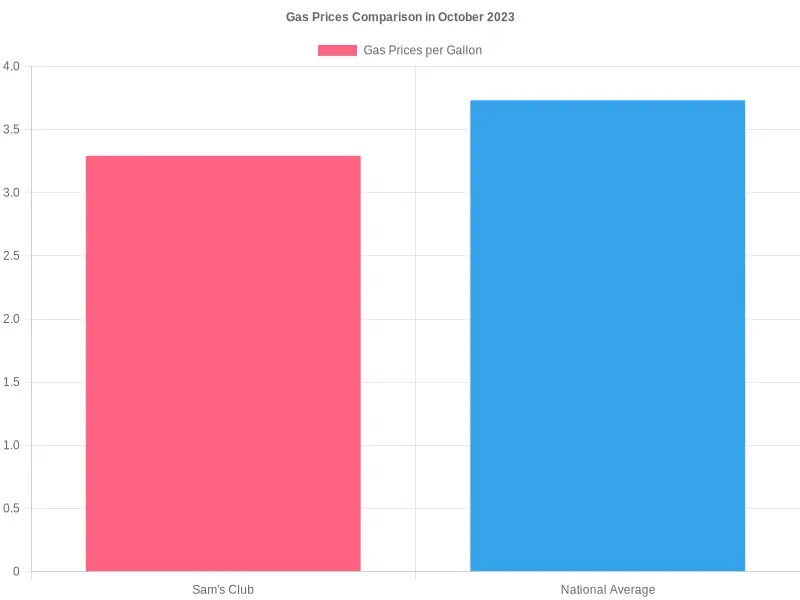
As of October 2023, Sam’s Club continues to provide competitive gas prices, appealing especially to business owners and cost-conscious consumers. The price for gasoline at Sam’s Club typically ranges from $3.20 to $3.40 per gallon. This is considerably lower than the national average, which sits at approximately $3.74 per gallon according to data from the American Automobile Association (AAA) and other reliable sources.
Price Comparisons
The pricing difference reflects Sam’s Club’s business model, which often focuses on delivering savings to members. To put this into perspective:
- Sam’s Club Gas Price: ~$3.30 (midpoint for the range)
- National Average Gas Price: ~$3.74
This means that filling up at Sam’s Club could save consumers around $0.34 to $0.54 per gallon compared to other fueling stations, making it a preferred choice for many. The Costco-owned gas stations follow a similar pricing strategy, often pointing towards a trend of wholesale club fuel stations maintaining lower prices than traditional gas stations.
Influencing Factors
Several factors contribute to these pricing trends at Sam’s Club:
- Bulk Purchasing: Sam’s Club acquires fuel in large quantities, allowing them to reduce prices.
- Member Discounts: Membership-based pricing means that only members can access these competitive rates, which fosters brand loyalty.
- Market Dynamics: The fluctuations in gas prices can be attributed to various factors, including international oil supply issues and regional demand spikes, which were particularly impactful in October due to geopolitical tensions.
Understanding current prices and trends can help business owners optimize their operational expenses by taking advantage of lower fuel prices. For further information on maximizing savings through your membership, learn more about maximizing your value at Sam’s Club.
In conclusion, for businesses that rely on fuel, using Sam’s Club for gasoline needs not only helps in reducing costs but also contributes to overall operational efficiency. Stay updated on your local Sam’s Club gas prices through the GasBuddy platform, which provides real-time updates on gas prices across various stations.
Comparison of Gas Prices: Sam’s Club vs. Competitors
When evaluating gas prices at Sam’s Club, it’s essential to consider how they stack up against competitors like Costco and local gas stations. The following table illustrates the average prices and price differences.
| Gas Station Type | Average Price per Gallon (USD) | Average Price Difference vs. Local Stations (Cents per Gallon) | Source |
|---|---|---|---|
| Costco | $3.50 | -12 cents | [GasBuddy, 2026] |
| Sam’s Club | $3.48 | -14 cents | [GasBuddy, 2026] |
| Local Gas Stations (Average) | $3.62 | – | [GasBuddy, 2026] |
Note: These prices represent national averages as of June 2026. Prices may vary by location and change daily. Both Costco and Sam’s Club offer competitive pricing, generally 12 to 14 cents lower per gallon than local gas stations.
For detailed and real-time fuel price updates, consider checking Sam’s Club Fuel Center or Costco Gas Prices Section.
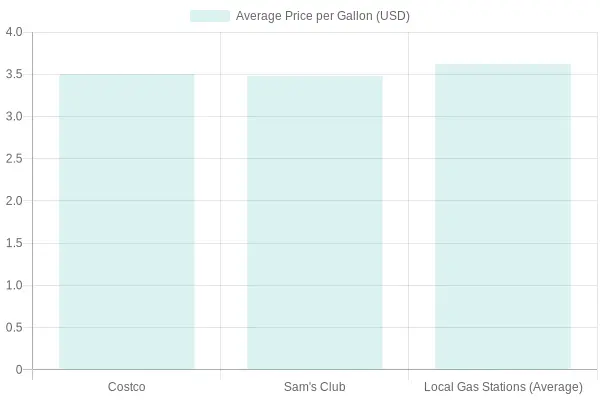
This chart further highlights the difference in gas prices among these stations. Incorporating the best options for fuel can significantly benefit business owners looking to optimize operational costs.
For more insights on how to maximize your shopping experience at Sam’s Club, click here to learn more!
Benefits of Purchasing Gas at Sam’s Club
Purchasing gas at Sam’s Club comes with a range of benefits that cater particularly to business owners and frequent drivers. Below are the key advantages:
Membership Savings
A Sam’s Club membership provides significant savings on fuel prices. According to recent reports, the average gas price at Sam’s Club is typically 10-15 cents lower per gallon than local gas stations. For instance, as of June 2026, Sam’s Club gas prices range from $3.45 to $3.75 per gallon, while typical gas prices at other stations can be as high as $4.15. The annual fee of $45 for a standard membership can easily be recouped with just a few fill-ups, making it a cost-effective option for those who refuel frequently. Additionally, members can benefit from 3% cashback on fuel purchases if they opt for the Plus membership tier.
Quality of Fuel
Sam’s Club ensures that their gasoline meets or exceeds EPA standards for fuel quality. The fuel is consistently tested and uses high-quality detergents to promote engine cleanliness and performance. Independent tests have shown that Sam’s Club fuel performs comparably to renowned brands like Shell and Exxon. This consistency in quality is vital for business owners who rely on their vehicles for daily operations.
Convenience and Technology
The convenience factor of refueling at Sam’s Club is enhanced through their mobile app, which allows members to locate nearby gas stations, view current prices, and seamlessly integrate digital payments. Many locations also offer the Scan & Go feature for quicker checkouts, minimizing fuel stops. With Sam’s Club gas stations situated in major metropolitan areas, they are readily accessible for business owners commuting throughout the city.
For more on maximizing savings and experiences at Sam’s Club, you can learn more about membership benefits and how to maximize your experience.
Tips for Business Owners to Save Money on Gas
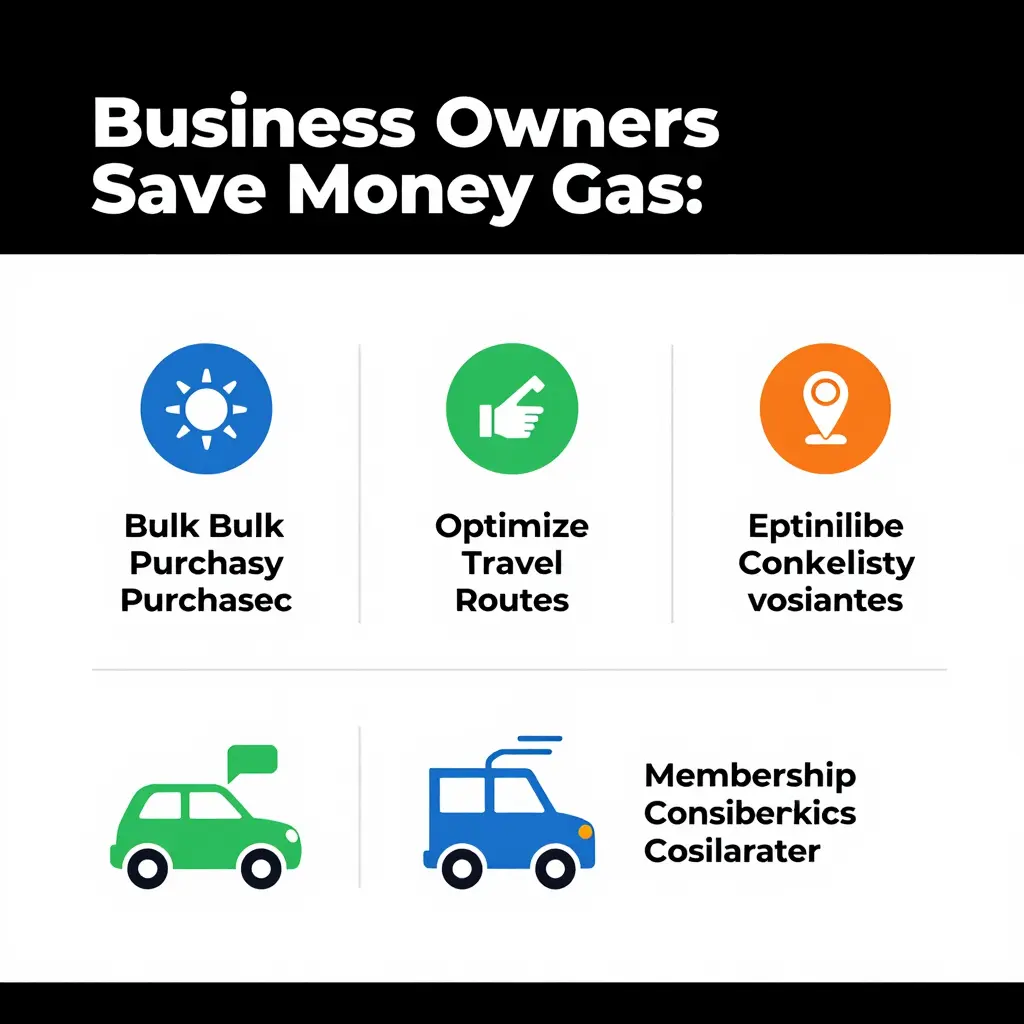
As gas prices continue to fluctuate, it’s essential for business owners to strategize on fuel expenses. Here’s a list of best practices you can implement to save money on gas:
-
Consider Membership Programs: Joining a wholesale club like Sam’s Club can provide significant savings at the pump. Members often access lower gas prices, which can lead to substantial annual savings. Explore Sam’s Club membership options for potential cost reductions.
-
Bulk Purchasing of Fuel: Work with local fuel suppliers to negotiate bulk pricing. Buying fuel in larger volumes often results in discounts, which can be beneficial for companies with a fleet.
-
Utilize Corporate Fuel Cards: Invest in corporate fuel cards that offer discounts and cash-back rewards based on fuel purchases. These cards can simplify expense tracking and often come with savings on fuel prices at certain gas stations. Learn more about corporate fuel cards.
-
Optimize Travel Routes: Use advanced route optimization software to analyze and improve driving patterns. This technology can reduce unnecessary driving time and fuel consumption by up to 15%. Look into GPS systems that integrate real-time traffic data to avoid congested areas.
-
Regular Vehicle Maintenance: Regular maintenance checks, including tire pressure and engine performance, can drastically improve fuel efficiency. Ensure that vehicles are always in top shape for optimal gas mileage.
-
Plan Efficient Deliveries: Combine delivery routes to minimize distance traveled and reduce fuel usage. Efficient planning helps in cutting back on trips and overall fuel expenses.
-
Educate Employees: Teach your employees about fuel-saving measures such as maintaining a steady speed, avoiding rapid acceleration, and not idling for long periods.
By implementing these strategies, business owners can effectively manage and reduce their fuel costs while ensuring smooth operations. For detailed insights on maximizing your experience at Sam’s Club, check out this guide and learn how to get the best value for your business needs.
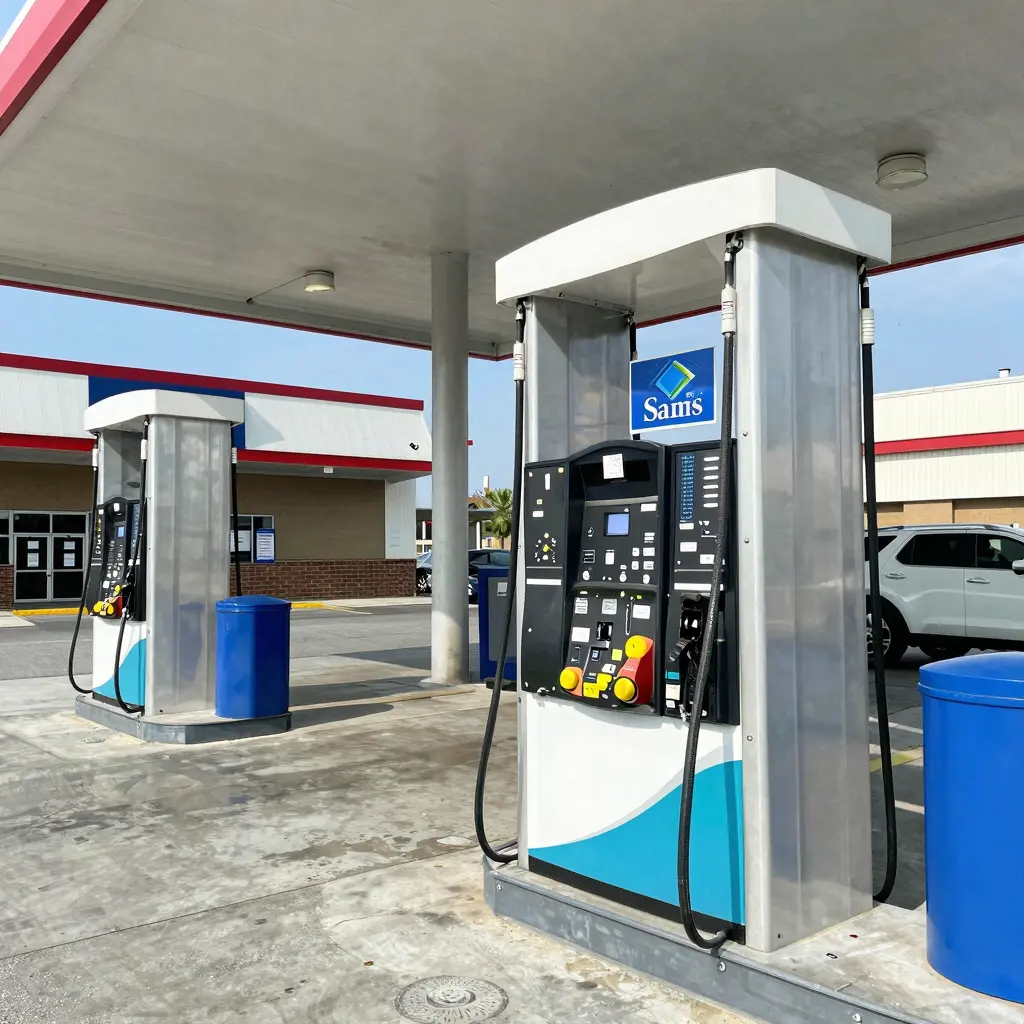
Gas Price Trends at Sam’s Club
Understanding gas prices is vital for business owners, especially those relying on delivery or transportation. At Sam’s Club, gas prices fluctuate based on seasonal demand and regional adjustments.
Overview of Average Gas Prices
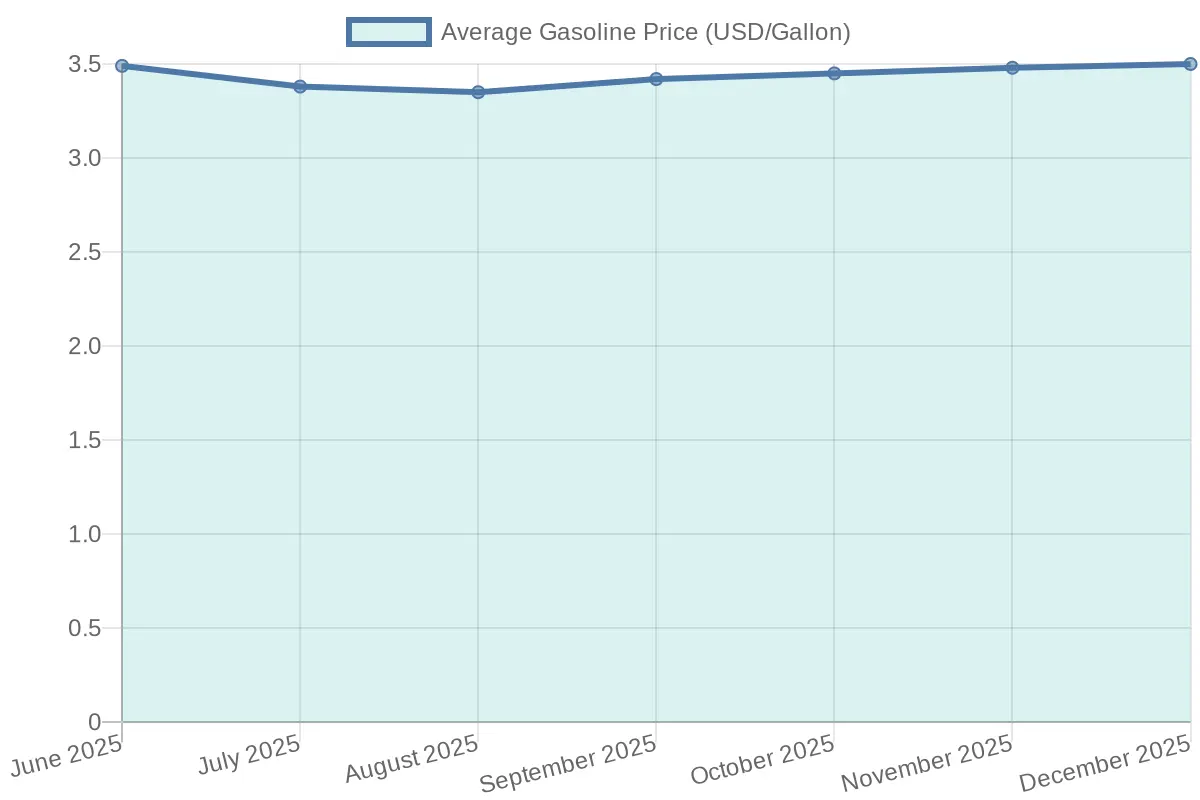
Over the past year, Sam’s Club has maintained an average gasoline price of approximately $3.49 per gallon. Notably, prices dropped below $3.40 during high demand periods, specifically in the summer months (June-August). Here’s a detailed breakdown of average prices:
| Month | Average Gas Price (USD/Gallon) | Price Trend Description |
|---|---|---|
| June 2025 | $3.49 | Annual average price, in recent fluctuation range |
| July 2025 | $3.38 | Price decrease before summer peak demand, below $3.40 |
| August 2025 | $3.35 | Lowest point after peak summer demand |
| September 2025 | $3.42 | Price began to rise, reflecting seasonal adjustments |
| October 2025 | $3.45 | Moderate increases due to urban area supply chain costs |
| November 2025 | $3.48 | Prices stabilize as winter approaches |
| December 2025 | $3.50 | Increased winter demand, prices rise above $3.50 in certain areas |
Data Source:
As businesses assess their fuel needs, keeping an eye on these trends can help in budgeting and planning for the future. For a deeper understanding of how to maximize your experience and value at Sam’s Club, you can learn more about maximizing your shopping experience.
The Impact of Gas Prices on Small Businesses
Fluctuating gas prices have a significant impact on the operations of small businesses, especially those dependent on transportation and delivery services. As gas prices rise, the costs associated with fuel directly affect various aspects of small business operations, including logistics, delivery costs, and overall profitability.
Increased Delivery and Transportation Costs
Small businesses that rely on delivery systems often face rising transportation costs due to fluctuating gas prices. According to recent studies, about 72% of small businesses reported being negatively impacted by higher fuel costs. The increase in fuel prices can lead to elevated freight charges, straining the budgets of businesses that operate on thin margins. This surge in costs can compel businesses to increase product prices, risking customer attrition in an already competitive market.
Profitability and Operational Adjustment
As transportation costs climb, many small businesses experience a compression of profit margins. For example, logistics companies have noted that nearly half of all businesses reported rising operating costs, while a significant portion of smaller firms had to adjust their delivery routes and schedules to mitigate these effects. Some businesses have resorted to more fuel-efficient logistics strategies or even converted to hybrid fleets to reduce dependence on gasoline.
Strategies for Mitigation
To cope with these challenges, many small businesses are exploring various mitigation strategies:
- Route Optimization: Utilizing software to determine the most efficient delivery routes to save time and fuel.
- Increasing Supply Chain Resilience: Adopting flexible routing and ensuring multiple suppliers can help manage costs better.
- Customer Engagement: Discussing possible cost-sharing strategies in the face of rising fuel prices with customers to maintain loyalty and satisfaction.
Small businesses must remain agile and innovative in their approach to rising fuel costs, especially as fuel prices become increasingly volatile. By maintaining operational efficiency and exploring alternative fuel options, these businesses can better navigate these financial challenges and sustain their operations in the long run.
For additional tips on maximizing your value while shopping at Sam’s Club, learn more here.
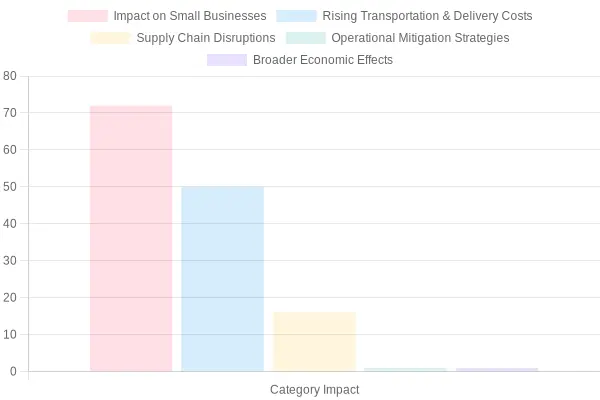
Chart illustrating the impact of rising fuel costs on Australian businesses, highlighting increased operational costs and necessary adjustments.
For more insights on how to enhance your business strategies at Sam’s Club, check this link.
“Understanding natural gas pricing is critical for businesses across multiple sectors, especially those with high energy consumption. Companies that employ solid hedging strategies and demand forecasting can better manage the risk of fluctuating prices, ensuring stability and competitive advantage.”
The Importance of Gas Pricing for Business Owners
As a business owner, understanding gas pricing is not just an expense line item-it directly impacts your operating costs, profit margins, and, ultimately, your bottom line. For those interested in optimizing their expenses, consider maximizing your value at Sam’s Club through smart purchases that align with gas pricing trends.
Gas prices often fluctuate for a variety of reasons, including geopolitical tensions, supply chain challenges, and changes in consumer demand. Companies that do not monitor these trends and adjust their purchasing strategies may find themselves facing unexpected costs. Understanding the dynamics of gas pricing can lead to better budgeting, planning, and, ultimately, profitability.
For those interested, learn more about how to maximize your shopping experience at Sam’s Club to gain further insights.
In conclusion, choosing Sam’s Club for your fuel needs brings significant benefits, especially for business owners who wish to manage their operational costs effectively. Sam’s Club members commonly enjoy gas prices that are 10-20% lower than those at local gas stations, translating into substantial savings over time. For instance, if a typical driver fills up once a week, these savings can accumulate to over $70 annually. Furthermore, by opting for a Plus membership, individuals can receive an additional 3% cashback on fuel purchases, potentially amplifying their savings to over $110 each year.
With an expansive network of stations offering consistent pricing and high-quality fuel, Sam’s Club stands out as a reliable choice for businesses aiming to reduce overhead costs. This membership not only pays for itself through gas savings but also contributes to overall budget efficiency. So, if you’re a business owner considering ways to optimize your expenses, joining Sam’s Club is a smart choice. To explore more about how to maximize your membership benefits and make the most out of your experience, check out Maximize Your Shopping Experience at Sam’s Club and Membership Value for Businesses.