
Introduction
Sam’s Club operates as a significant player in the retail industry, primarily known for its membership-only warehouse model, which offers a variety of products at competitive prices. Established in 1983 and owned by Walmart, it has emerged as a crucial resource for business owners seeking to optimize their purchasing strategies. By providing access to bulk products and diverse services, Sam’s Club has strengthened its position as a primary destination for small to medium-sized businesses (SMBs) aiming to cut costs while maintaining quality. With a reported $6.9 billion online business focused on serving the needs of SMBs and nonprofits, the importance of ownership matters greatly. It is not just about acquiring membership; it’s about unlocking a suite of beneficial options that can lead to significant savings and operational efficiency for business owners. Recent expansions and improvements within the organization illustrate Walmart’s commitment to enhancing the Sam’s Club brand, especially in direct competition with other retail giants like Costco (learn more about maximizing your experience at Sam’s Club). Understanding who owns Sam’s Club can inform business owners about the stability and reliability of their purchasing avenues, particularly during economic fluctuations, thus reinforcing its value as a strategic partner in their ventures.
Overview of Sam’s Club
History
Sam’s Club was founded in 1983 by Sam Walton, the same visionary behind Walmart. The club was created with the premise of offering wholesale goods at lower prices to small business owners and families alike. Over the decades, Sam’s Club has evolved significantly, adapting its offerings and services to better meet the needs of its members. As of now, it operates over 600 locations across the United States, all designed to foster a warehouse-style shopping experience that highlights bulk purchasing.
Mission
The mission of Sam’s Club is focused on enabling members to shop for quality products at low prices while providing excellent customer service. Initiatives like Sam’s Club Connect aim to enhance the shopping experience by leveraging technology and improving customer interactions. The company aspires to sustain durable business growth, reflecting its commitment to member value and loyalty.
Business Model
Sam’s Club operates on a membership-based business model, which requires users to pay a fee to gain access to the club’s savings and benefits. This model not only ensures a continuous revenue stream but also positions Sam’s Club uniquely in the retail market, allowing it to offer competitive prices that attract cost-conscious consumers. Besides providing bulk items at discounted rates, members benefit from perks such as free shipping on eligible purchases and personalized shopping experiences through its digital platforms. Additionally, Sam’s Club’s strategy targets both small business owners and large families, appealing to individuals looking for convenience and substantial savings. For tips on maximizing your membership experience, check out this guide on maximizing your shopping experience at Sam’s Club.
Target Audience
Sam’s Club’s primary audience includes small business owners, families, and budget-conscious shoppers. The club focuses on convenience for these members by providing a wide variety of products ranging from groceries to electronics, all under one roof. This diverse product range reinforces the brand’s unique selling proposition (USP), allowing Sam’s Club to cater to both individual consumers and businesses in need of bulk products.
Unique Selling Propositions
- Bulk Pricing: Offering discounted rates for bulk purchases makes it a preferred destination for those looking to save money.
- Member Benefits: Exclusive member pricing, special promotions, and delivery options enhance the overall value proposition.
- Convenience: With a focus on quality and selection, Sam’s Club aims to provide a comprehensive shopping experience, appealing to members who prefer a one-stop-shop for their needs.
Sam’s Club continues to thrive unter Walmart’s ownership as an essential player in the retail market, consistently innovating to improve member satisfaction and business performance.
Who Owns Sam’s Club?
Sam’s Club, the well-established membership-based retail warehouse club, is owned by Walmart Inc. As a subsidiary of Walmart, Sam’s Club operates under the broader umbrella of one of the largest multinational corporations in the retail sector. Walmart’s ownership of Sam’s Club allows it access to an extensive supply chain and a robust distribution network, significantly enhancing its ability to offer competitive prices and a variety of product offerings.
Parent Company and Major Stakeholders
According to recent data, Walmart Inc. is not just the parent company of Sam’s Club but also a significant player in the global retail market, operating stores in 19 countries. The company’s governance is heavily influenced by its major shareholders, primarily the Walton family, who hold a substantial portion of Walmart’s equity. This family’s legacy continues to shape the strategic direction of both Walmart and its subsidiaries, including Sam’s Club.
- Walmart Inc.: The parent company with a vast retail footprint.
- Walton Family: Major stakeholders who control a significant share, contributing to governance and strategic decisions.
For business owners looking to understand the corporate structure and dynamics of their suppliers and competitors, Sam’s Club’s connection to Walmart is crucial. The influence of Walmart ensures Sam’s Club maintains competitive pricing and a strong market presence, which can be beneficial for businesses looking to source goods efficiently. Learn more about maximizing your experience at Sam’s Club and explore its membership benefits.
By leveraging Walmart’s resources, Sam’s Club can continually enhance its offerings to members, focusing on affordability and customer satisfaction.
Walmart’s Influence on Sam’s Club
Walmart’s ownership of Sam’s Club significantly impacts the operations, pricing strategies, and competitiveness of the membership-based warehouse club. As a subsidiary of Walmart, Sam’s Club benefits from the extensive resources, logistical networks, and market strategies that have established Walmart as the retail giant it is today.
Business Operations
One key aspect of Walmart’s influence on Sam’s Club lies in operational efficiencies. Walmart’s well-established supply chain allows Sam’s Club to keep operational costs low. This efficiency leads to a broader inventory range while maintaining lower prices for members. By implementing common inventory and supply systems, Sam’s Club can provide members with competitive pricing and quality products. Furthermore, innovations such as the Scan & Go technology are being piloted at Sam’s Club, which enhances customer experiences by reducing wait times and creating a more streamlined shopping process, reflecting Walmart’s commitment to technological advancement in retail. Learn more about maximizing your experience at Sam’s Club.
Pricing Strategies
Walmart’s influence on pricing strategies for Sam’s Club is crucial in driving competitive pricing. The synergy between the two entities enables Sam’s Club to utilize economies of scale effectively, allowing them to offer lower prices on bulk goods compared to competitors like Costco and BJ’s. This low-cost advantage stems from Walmart’s ability to negotiate lower prices from suppliers and pass these savings onto its members, thereby attracting a larger customer base. Studies show that Sam’s Club consistently matches or beats competitors’ prices, leveraging Walmart’s supplier relationships and buying power. This strategy not only draws in business customers but also standard consumers seeking value. For more insights on membership value, check out our article on Sam’s Club membership worth it.
Market Competitiveness
In terms of market competitiveness, Walmart’s ownership positions Sam’s Club favorably against rivals. The ongoing expansion plan includes opening 15 new stores annually, reflecting a robust strategy to grow its footprint in the wholesale market. This expansion is complemented by technological advancements that improve efficiency and customer engagement, allowing Sam’s Club to maintain a tight competitive edge. With Walmart’s backing, Sam’s Club can invest heavily in new technologies that offer better services to its members, such as enhanced e-commerce platforms and in-store innovations. The strategic pivot to cater specifically to business customers exemplifies their understanding of market dynamics and competition, further enhancing their market positioning to compete directly with warehouse giants like Costco.
In summary, Walmart’s ownership plays an essential role in shaping Sam’s Club’s business operations and strategies. By utilizing Walmart’s vast resources, Sam’s Club not only provides competitive pricing but also enhances customer experience and solidifies its position in the competitive retail landscape.
Ownership Structure Comparison of Sam’s Club, Costco, and BJ’s
| Wholesale Club | Ownership Structure | Parent Company | Notable Points |
|---|---|---|---|
| Sam’s Club | Operates as a subsidiary of Walmart | Walmart | Focuses on membership-based retail; Membership costs $50. Learn more about membership value |
| Costco | Publicly traded corporation with significant institutional ownership | N/A | Membership costs $60; accepts only its own branded credit cards. Learn more about Costco |
| BJ’s Wholesale | Publicly traded company with fluctuating ownership due to acquisition interests | N/A | Membership costs start at $55; current interest from potential buyers like Amazon and Walmart. More on BJ’s ownership |
Notes on Ownership Structures
- Sam’s Club is entirely owned by Walmart, thereby benefiting from the parent company’s resources and distribution channels.
- Costco has a broad spectrum of public shareholders, primarily institutional investors, allowing for a diverse investment base.
- BJ’s Wholesale operates independently but has attracted interest from major corporations for potential acquisition, revealing volatility in ownership.
This table provides a clear understanding of the key differences in the ownership structures of these major competitors in the wholesale club industry. Business owners can use this information to evaluate their membership choices based on ownership dynamics.
For further reading, you may explore more about how to maximize your experience at Sam’s Club, or check out BJ’s Wholesale overview for deeper insights into their operational strategies.
Sam’s Club, now owned by Walmart, presents unique opportunities and challenges for business owners. Understanding these implications can significantly impact how businesses approach purchasing, partnership, and operational strategies within their local markets.
1. Enhanced Purchasing Opportunities
Business owners can leverage Sam’s Club’s bulk purchasing model to lower their operational costs. Here are some key aspects:
-
Bulk Discounts: Membership in Sam’s Club provides access to exclusive deals that allow businesses to purchase products at lower prices compared to traditional retail options. By buying in bulk, small businesses can save significantly on inventory costs, which can be especially beneficial for those in the food service or retail sectors.
-
Product Variety: Sam’s Club offers a wide range of products, from electronics to office supplies and groceries. This variety allows business owners to fulfill multiple purchasing needs under one roof, streamlining supply chain logistics and simplifying procurement processes.
-
Business Membership Perks: The club offers specialized business membership options that come with additional benefits, such as cash-back rewards, tailored services, and discounts on select products. This can enhance overall savings and provide better cash flow management for businesses.
For a more detailed guide on the benefits of membership, business owners can check out the Sam’s Club Business Membership Guide.
2. Partnership Opportunities
Sam’s Club is not just a retailer; it also serves as a platform for businesses to engage in partnerships that can enhance brand visibility and sales. Here are key partnership opportunities available:
-
Advertising Partnerships: Programs like Sam’s Club Connect enable advertisers to reach a targeted audience within the Sam’s Club membership base. This can help brands gain exposure and drive sales through in-store promotions and online advertising.
-
Supplier Relationships: Partnering with Sam’s Club to become a featured supplier can provide businesses with valuable exposure. By featuring products in-store or on the Sam’s Club website, suppliers can tap into a vast customer base, enhancing brand awareness and potentially increasing sales volume.
-
Event Collaborations: Being part of community events organized by Sam’s Club can help businesses engage with local customers directly. Collaboration opportunities can arise around seasonal promotions, community service events, and health fairs, allowing businesses to build rapport within the community.
For insights into engaging with Sam’s Club’s business structure, potential partners should consider exploring their advertising program further.
3. Strategic Advantages
Owning a membership with Sam’s Club opens strategic doors for small business owners, emphasizing:
-
Networking Opportunities: With many local businesses being members, there is a unique opportunity for networking and collaboration among business owners. Engaging with other members can lead to joint ventures or partnerships that expand business potential.
-
Access to Market Data: Sam’s Club provides insights into purchasing trends, helping business owners understand market demands and customer preferences. This data can guide inventory decisions and marketing strategies, ensuring businesses remain competitive.
Conclusion
In conclusion, Sam’s Club’s ownership offers significant advantages for business owners, particularly in terms of purchasing power and partnership opportunities. The combination of competitive pricing, diverse product availability, and strategic partnership options positions Sam’s Club as a vital resource for small to medium-sized business operations. By maximizing their membership and actively engaging with the club’s offerings, business owners can improve their operational effectiveness and ultimately drive growth. For more tips on maximizing your experience, explore how to maximize your value at Sam’s Club.
By understanding these implications, business owners can effectively leverage Sam’s Club to support their business goals, reduce costs, and enhance their market presence.
Recent Updates on Sam’s Club Ownership and Services
As of 2023, there have been no significant changes in the ownership structure of Sam’s Club, a subsidiary of Walmart. However, there are notable updates regarding its services and enhancements that could impact business owners and customers alike.
Key Updates:
-
Ownership Structure: Sam’s Club remains owned by Walmart, with no recent changes to its ownership reported this year. This maintains a consistent approach to policy and strategy implementation as part of Walmart’s broader corporate framework.
-
Service Enhancements:
-
Introduction of New Food Court Items: Sam’s Club has expanded its food court offerings to improve member satisfaction and convenience.
-
Expansion of Delivery Services: In response to growing consumer demand for convenience, Sam’s Club has enhanced its delivery services.
-
Enhanced Member Benefits: A revitalized rewards program has been introduced, aimed at increasing customer engagement and retention.
-
Seasonal Promotions and Discounts: The club offers targeted promotions aligned with seasonal shopping behaviors, which can be particularly beneficial for small business owners looking to stock up on inventory at competitive prices.
-
Community Engagement: Increased organization of local events has been reported, providing a platform for members to engage with their local communities.
-
Product Range: There has been a notable addition of new merchandise, enriching the shopping experience and offering members a wider variety of choices.
-
Financial Adjustments: Membership fees may have undergone adjustments, although specific details on changes were not highlighted.
Visual Representation of Updates

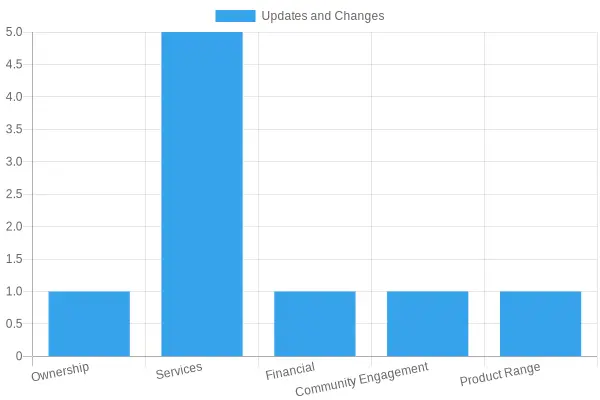
For business owners, understanding these updates is crucial for maximizing your membership value and leveraging the advantages provided by Sam’s Club. Members are encouraged to stay informed on available offerings and adjustments to enhance their shopping experience at Sam’s Club and fully utilize the benefits of their membership.
The Importance of Ownership in Retail
Ownership in retail plays a crucial role in defining responsibilities, decision-making, and overall success. Jeff Bajorek, a business expert, notes:
“Taking ownership in business is about understanding your responsibilities and the outcomes of your actions. It involves empowering your team and continuously analyzing results to embrace improvement.”
This perspective emphasizes that ownership is not just about holding a title but actively engaging in the responsibilities that come with it, empowering team members, and driving the business forward.
The visual elements below encapsulate the idea of ownership and its relevance in the retail landscape.
An illustration representing the concept of ownership in the retail sector.
For further insights on how to maximize your experience at Sam’s Club and other details, visit our article on maximizing your experience.
Incorporating ownership into business practices can pave the way for higher accountability and effectiveness, which is particularly relevant for business owners looking to enhance their retail strategies.
Conclusion
Understanding the ownership dynamics at Sam’s Club is crucial for business owners who seek to optimize their operations and gain a competitive edge in the retail market. With Walmart owning Sam’s Club, the aligned corporate strategies play a significant role in shaping the offerings and experiences available to members. This dynamic relationship impacts everything from product pricing to Supply Chain efficiencies which can ultimately affect the bottom line of business owners who rely on bulk purchasing for their operations.
Moreover, grasping the implications of ownership can provide business owners with insights that extend beyond basic operational knowledge. For example, knowing that Sam’s Club is embracing innovative models like Sam’s Club Connect can help owners make informed decisions regarding their membership and purchasing strategies, ensuring they leverage the best value possible. Learn more about maximizing your membership benefits to make the most out of your relationship with the club.
As the retail landscape continues to evolve, staying informed about ownership structures and strategies is not just beneficial but essential for survival and growth. By delving deeper into how these dynamics work, business owners can adapt their approaches, optimize their stock, and align their goals with those of larger entities like Walmart. This exploration not only enhances operational strategies but ensures sustainable growth in an increasingly competitive marketplace. Therefore, we encourage you to continue exploring the varied facets of Sam’s Club and assess how it can fit into your business model by checking out our guide on maximizing shopping experiences at Sam’s Club.