Introduction
Understanding compensation structures is pivotal for business owners looking to partner with or supply large retail organizations like Sam’s Club. The nuances of how much Sam’s Club pays its employees not only reflect the company’s operational health but also serve as a significant indicator in assessing partnership potential. With its vast workforce and diverse roles, gaining insight into Sam’s Club pay can empower you to make informed decisions that align with your business needs and expectations. Additionally, understanding compensation frameworks helps to benchmark your own business practices against some of the largest retailers in the industry. Creating successful collaborations often hinges on knowing what drives employee satisfaction and retention within these organizations. Therefore, exploring the intricacies of Sam’s Club’s compensation can provide invaluable insights for business owners aiming to maximize their partnerships in the retail space. Learn more about how to maximize your experience at Sam’s Club and enhance your strategies by understanding their operational frameworks.
Salary Overview at Sam’s Club
In this section, we will provide key salary statistics and compensation practices within Sam’s Club, allowing business owners to understand how wage structures can influence their operations and employee satisfaction. For more insights on maximizing team performance and benefits, learn more about enhancing your experience.
Salary Comparison for Sam’s Club Job Positions
Understanding how much Sam’s Club pays its employees is crucial for business owners considering hiring or collaborating with the retail giant. Here’s a comparison of the average salaries for different job positions at Sam’s Club:
| Job Position | Average Hourly Rate | Average Yearly Salary |
|---|---|---|
| Cashier | $11 – $15 | $22,880 – $31,200 |
| Sales Associate | $12 – $16 | $24,960 – $33,280 |
| Team Lead | $15 – $20 | $31,200 – $41,600 |
| Store Manager | $50,000 – $100,000 | $50,000 – $100,000 |
These salary ranges reflect a general overview based on available salary data, which can vary based on factors like experience, location, and specific store performance.
For more detailed insights into maximizing your workforce strategies, learn more about maximizing your experience at Sam’s Club. Additionally, understanding the value of Sam’s Club membership for business can also play an important role in your hiring decisions.
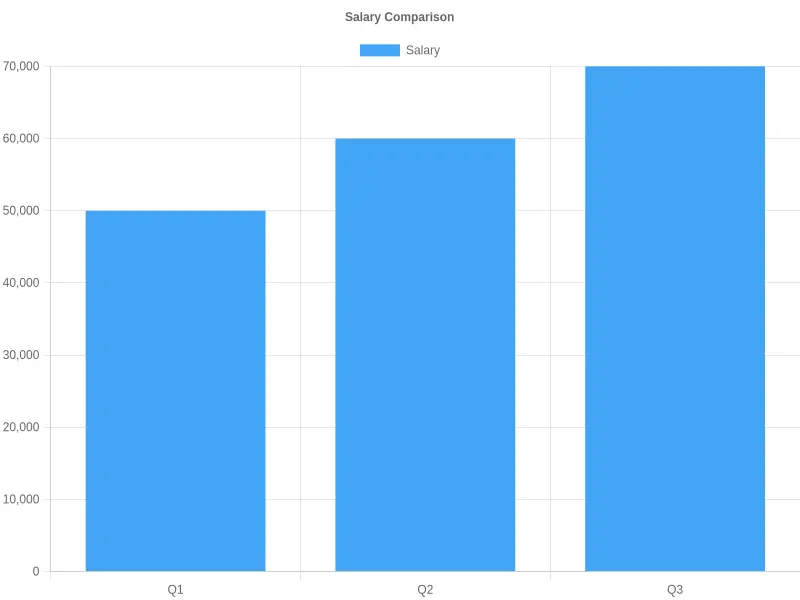
Chart displaying the salary structure at Sam’s Club
This table helps illustrate the differences in compensation across key roles at Sam’s Club, providing valuable insight for business owners and staffing considerations.
When considering employee compensation, the benefits provided by Sam’s Club play an essential role in attracting and retaining talent. Understanding these benefits can help business owners refine their own employee retention strategies and enhance workplace satisfaction.
1. Health Insurance
Sam’s Club offers comprehensive health insurance plans for full-time employees, which typically include:
- Medical Coverage: Employees can choose from various plans that cover hospital visits, preventive care, and emergency services.
- Dental and Vision Plans: These additional options help employees maintain their overall health and well-being, an increasingly important factor in job satisfaction.
Access to health insurance not only secures employees’ physical health but also signifies that the company values their well-being, directly impacting retention rates.
2. Retirement Plans
Employees at Sam’s Club may participate in a 401(k) retirement plan, often complemented by company matching contributions. This enables workers to save significantly for their future and provides a sense of financial security. A robust retirement plan is crucial in helping employees feel valued and secure, leading to improved loyalty and reduced turnover. Additionally, employees may appreciate the opportunity to invest in their future, especially when the employer contributes.
3. Employee Discounts
One of the attractive benefits offered by Sam’s Club is employee discounts. These discounts can provide members with considerable savings on in-store purchases and services, contributing to an overall increase in job satisfaction. By giving employees access to discounted products, Sam’s Club fosters a culture of appreciation, allowing employees to feel they are part of the company’s success.
4. Competitive Compensation
Although specific salary figures vary based on position and location, employees generally receive competitive hourly wages. The potential for bonuses based on performance and tenure adds another layer to total compensation, motivating staff to excel in their roles. Competitive compensation is imperative for attracting top talent, as it indicates the organization values its employees.
5. Retention Strategies
Organizations like Sam’s Club implement various strategies aimed at employee retention:
- Providing growth opportunities through training and development.
- Recognizing employee achievements through awards and incentives.
- Ensuring a supportive work environment, which can include flexible working conditions.
Investing in these strategies not only boosts morale but also encourages loyalty among employees. This is essential for businesses aiming to minimize turnover and maintain a robust workforce.
Conclusion
The combination of health insurance, retirement plans, employee discounts, and competitive pay creates a strong compensation package for Sam’s Club employees. For business owners, investing in similar employee benefits can lead to reduced turnover rates and a more committed workforce. As companies seek to establish themselves as attractive employers, understanding and implementing effective benefits structures is key to long-term success. To read more about maximizing employee performance and satisfaction, check out this resource.
This comprehensive approach to employee benefits can not only improve morale but also enhance overall business performance through higher retention rates.
Salary Comparison at Sam’s Club
To provide a clear understanding of the compensation for different roles at Sam’s Club, we’ve created a salary comparison chart. This chart presents the average salaries for common positions available within the company.
| Position | Average Salary (USD) | Source |
|---|---|---|
| Cashier | $29,019 | Indeed |
| Membership Clerk | $33,000 | Zippia |
| Supervisor | $44,000 | Levels.fyi |
| Department Manager | $65,000 | Salary USA |
Furthermore, here is a visual representation of this salary data:
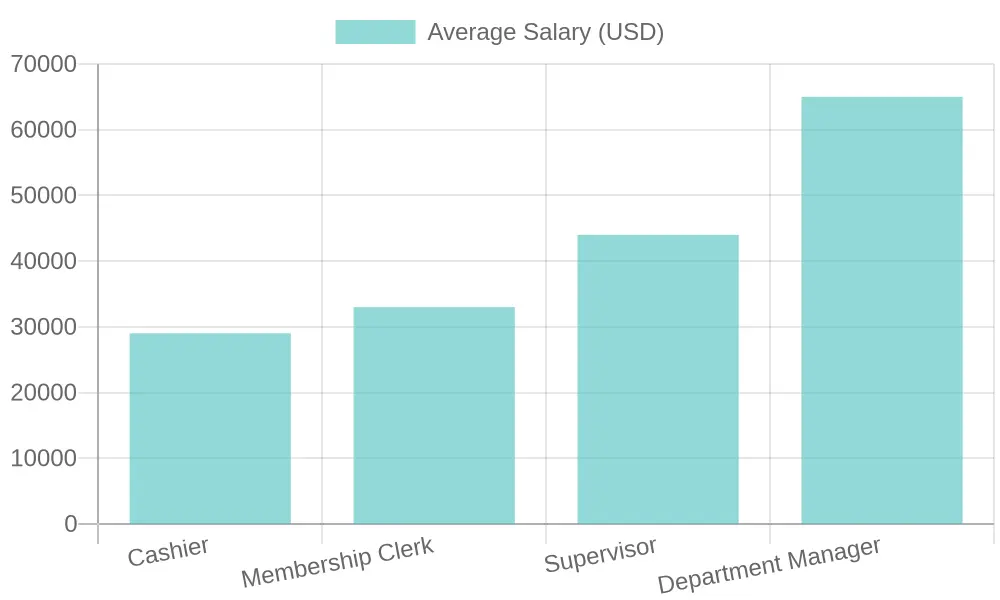
Average Salary by Position
Understanding these salary ranges is crucial for business owners looking to attract talent and remain competitive within the retail industry.
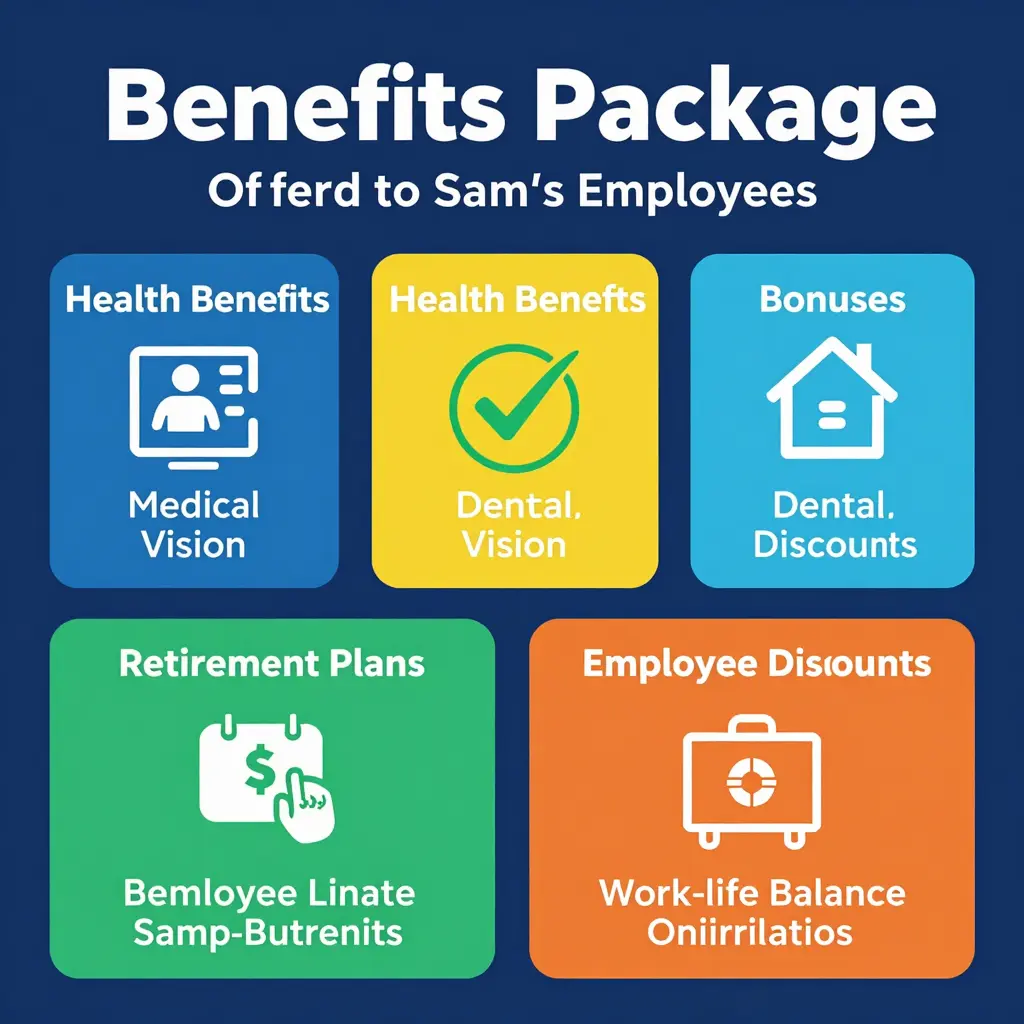
This infographic visually summarizes the impressive benefits package offered to employees at Sam’s Club. It highlights key components such as bonuses, health benefits (medical, dental, and vision coverage), retirement plans, employee discounts, and efforts to promote work-life balance, making it an attractive opportunity for current and prospective employees.
With such offerings, Sam’s Club stands out as a favorable employer in the retail industry, which can be crucial information for business owners looking to understand market standards or enhance their own employee packages.
Understanding employee satisfaction and retention rates is pivotal for any business looking to enhance its performance and reduce turnover. For retailers like Sam’s Club, which is a subsidiary of Walmart, these factors are especially critical given the competitive nature of the retail industry.
Current Employee Satisfaction Insights
Sam’s Club has received mixed feedback from its employees regarding satisfaction levels. Glassdoor ratings reveal that the company holds an overall rating of 3.3 out of 5 based on over 13,791 reviews. According to the insights shared:
- About 51% of employees reported they would recommend working at Sam’s Club, suggesting a divide in sentiment that reflects both positive and negative experiences.
- Some employees have expressed frustration with the management’s attention to employee satisfaction scores, indicating potential issues that could impact retention. One employee stated, “The strong management gives a supportive environment but neglecting employee satisfaction scores is concerning,” showcasing how management decisions can potentially lead to higher turnover rates.
Additionally, feedback from sites such as Indeed and Comparably has shown a recurring theme of mixed morale among employees. Approximately 62% of the 2,122 employee reviews on Comparably were positive, indicating that there are strengths within the workplace culture; however, this also means that 38% pointed out significant areas for improvement.
Pay and Benefits: Their Role in Employee Retention
While specific statistics regarding pay and benefits directly linked to employee satisfaction at Sam’s Club were not available, we can infer their impact based on general trends observed in other industries. Reports suggest that competitive compensation and robust benefit packages significantly enhance job satisfaction. Here are some of the key factors where pay and benefits can influence retention:
- Competitive Wages: Offering wages that are competitive within the retail sector can lead to increased employee satisfaction and decreased turnover rates. Employees who feel they are compensated fairly are more likely to stay with a company long-term.
- Health Benefits: Access to good health care benefits is often a leading factor in employee retention. According to studies, employees tend to rate job satisfaction higher when they feel secure in their health coverage and have well-structured benefit plans.
- Work-Life Balance: Providing options for flexible schedules or remote work can also impact employee satisfaction. Retail environments, notorious for long hours and rigid schedules, could witness better retention rates if they implement policies that assist employees in achieving a work-life balance.
The Bigger Picture
As retail continues to adapt to changing market dynamics, employee satisfaction will increasingly become a focal point for companies like Sam’s Club. With the pressures of high turnover rates and a challenging labor market, understanding the interplay between salary, benefits, and employee contentment will be crucial for sustainable success.
Conclusion
In summary, while detailed statistics specifically on pay and benefits at Sam’s Club remain sparse, the observed trends in employee evaluations highlight a significant relationship between workplace satisfaction and retention. Employer practices that prioritize competitive pay, comprehensive benefits, and attention to employee feedback can effectively bolster retention rates and improve overall workforce morale. For further information on maximizing experiences at Sam’s Club, you can learn more about member benefits.
These insights serve as a reminder that in today’s competitive market, investing in employees and understanding their needs is paramount for fostering a motivated and committed workforce.
“Employee satisfaction in retail is crucial not just for morale but also for driving customer satisfaction. When associates feel valued and rewarded, they are more likely to provide excellent service, creating a positive cycle that benefits both employees and the business.”
Factors Influencing Pay at Sam’s Club
Understanding the various factors that influence pay at Sam’s Club is crucial for business owners analyzing labor costs and workforce management. Here’s a comprehensive overview of the key factors:
-
Location: Pay rates can vary significantly depending on the geographic location of the store. Areas with a higher cost of living generally offer higher wages to remain competitive in attracting talent. For example, positions in urban centers may receive higher compensation than those in rural areas.
-
Role and Responsibilities: Different positions at Sam’s Club have different pay scales. Management roles, specialized positions (like pharmacy technicians or optometrists), and roles that require advanced skills or certifications typically offer higher salaries compared to entry-level positions like cashiers or stock associates.
-
Experience and Tenure: Employee experience plays a significant role in determining pay. More experienced employees often enjoy higher wages and better benefits. Additionally, longevity at the company can lead to pay raises and enhanced bonuses.
-
Market Conditions: The labor market’s condition can influence salary levels. When the unemployment rate is low, companies may offer more competitive wages to attract qualified candidates. Conversely, in a highly competitive job market, employers may need to offer more attractive compensation packages.
-
Performance and Productivity: Individual performance can also affect pay. Sam’s Club may offer bonuses, merit raises, and incentives based on employee performance evaluations and productivity metrics. High-performing staff often gain access to better pay opportunities.
-
Union Influence: In some areas, unions may negotiate pay scales and benefits on behalf of employees, leading to different compensation structures. Unionized positions at Sam’s Club may have predefined pay levels and working conditions that impact overall compensation.
-
Benefits and Perks: While base salary is essential, additional benefits such as health insurance, retirement plans, and employee discounts also influence the overall compensation package. Sam’s Club offers various benefits that can enhance total earnings beyond just hourly wages or salaries.
Business owners looking to analyze labor costs at Sam’s Club should consider these factors comprehensively. Understanding these aspects can help in not only budgeting labor more effectively but also in strategizing to attract and retain quality employees.
For more insights into workforce management and employee value at Sam’s Club, learn more about maximizing your experience at Sam’s Club and explore the membership value for businesses.
In conclusion, understanding the pay structure at Sam’s Club is more than just an insight into one company’s operations; it serves as a vital benchmark for business owners considering how to strategize their own compensation frameworks. As we’ve explored, Sam’s Club offers competitive wages that not only attract but also retain quality employees. By examining their pay scales, business leaders can gain a clearer perspective on the current labor market and the expectations of the workforce. This is particularly important in an era where employee satisfaction directly correlates with productivity and retention. Implementing similar compensation strategies could potentially enhance a business’s ability to attract top talent while also ensuring that existing employees feel valued and motivated. Overall, leveraging insights from Sam’s Club’s pay structure can help inform and refine your compensation policies, leading to long-term business success. For further strategies on maximizing employee benefits and enhancing workplace satisfaction, consider checking how to maximize employee value and the compensation strategies that work best in today’s market.