
Introduction
Have you ever wondered who truly owns Sam’s Club? Is it still under the umbrella of Walmart, or has it taken a life of its own? Questions like these are essential, especially for business owners who rely on accurate knowledge of corporate structures for strategic decisions. Understanding the ownership of Sam’s Club not only provides insights into its operational strategies but can also inform how businesses leverage its membership-based services. For instance, grasping the affiliation between Sam’s Club and Walmart can significantly impact your business’s planning, whether through enhancing your supply chain or maximizing your purchasing power. As you explore this topic, learn more about maximizing your experience at Sam’s Club and how the affiliation influences members’ benefits when shopping for supplies.
The Ownership of Sam’s Club: A Walmart Subsidiary
Explore how Sam’s Club operates under Walmart’s vast retail environment, maximizing the benefits for business owners.
Understanding the History of Sam’s Club
Delve into the origins of Sam’s Club, founded in 1983 by Sam Walton, and its evolution over the decades.
Walmart’s Role in Shaping Sam’s Club
Learn about Walmart’s strategic ownership model and how it impacts Sam’s Club’s operations and business opportunities.
Implications for Business Owners
Understand what Sam’s Club’s partnership with Walmart means for business owners, including membership advantages and competitive pricing strategies. Learn more about maximizing your membership value at Sam’s Club.
Conclusion: Why Business Owners Should Care
Summarize the key takeaways and encourage business owners to leverage the resources available through Sam’s Club and Walmart.
History of Sam’s Club
Sam’s Club, a vital player in the retail landscape, was founded by Walmart’s visionary, Sam Walton, in 1983. Initially opening in Midwest City, Oklahoma, it was designed as a members-only warehouse club, aimed primarily at small businesses and families seeking bulk purchasing options at discounted prices. This innovative model filled a significant gap in the market and soon set the tone for warehouse-style retailing in the United States.
Early Development and Expansion
From its inception, Sam’s Club was dedicated to providing value through bulk sales. By the mid-1980s, the chain experienced rapid growth, with numerous locations opening across the country, each strategically designed to cater to the needs of business owners and large families. The first major milestone came in 1990 when Sam’s Club introduced a variety of new product lines, including organic foods, which expanded its appeal beyond typical grocery shoppers.
In 1994, the launch of the Sam’s Club website was another turning point, enhancing the shopping experience by allowing members to access exclusive online deals. This also marked the beginning of an ongoing trend towards e-commerce, which would define retail futures.
The 2000s: Adapting to Market Needs
As the 21st century approached, Sam’s Club recognized the necessity to evolve its offerings. In 2003, the club began a new era by launching a program specifically catering to business members-enhancing the value proposition even further. By 2008, the brand had expanded into providing pharmacy services, and by 2011, it introduced a variety of private label products, which contributed to cost savings for members.
Throughout the years, Sam’s Club has adjusted its inventory, responding to market trends. The introduction of technology-based initiatives, such as the Sam’s Club app and self-checkout systems, reflected a commitment to modernizing the shopping experience.
Recent Milestones and Innovations
In 2021, amid the pandemic’s impact, Sam’s Club adapted by betting on seasonal products like larger holiday turkeys and expanding toy selections to entice families for the holiday shopping season. Marketing campaigns have continuously emphasized enhancing the retail experience for members, underlining Sam’s dedication to evolving customer service standards and expanding product varieties, including fresh groceries and seasonal items.
From its humble beginnings to now, Sam’s Club has grown into a prominent name in wholesale retail, continually advancing to meet the changing needs of customers. Its journey is a testament to adaptability and innovation in a highly competitive market.
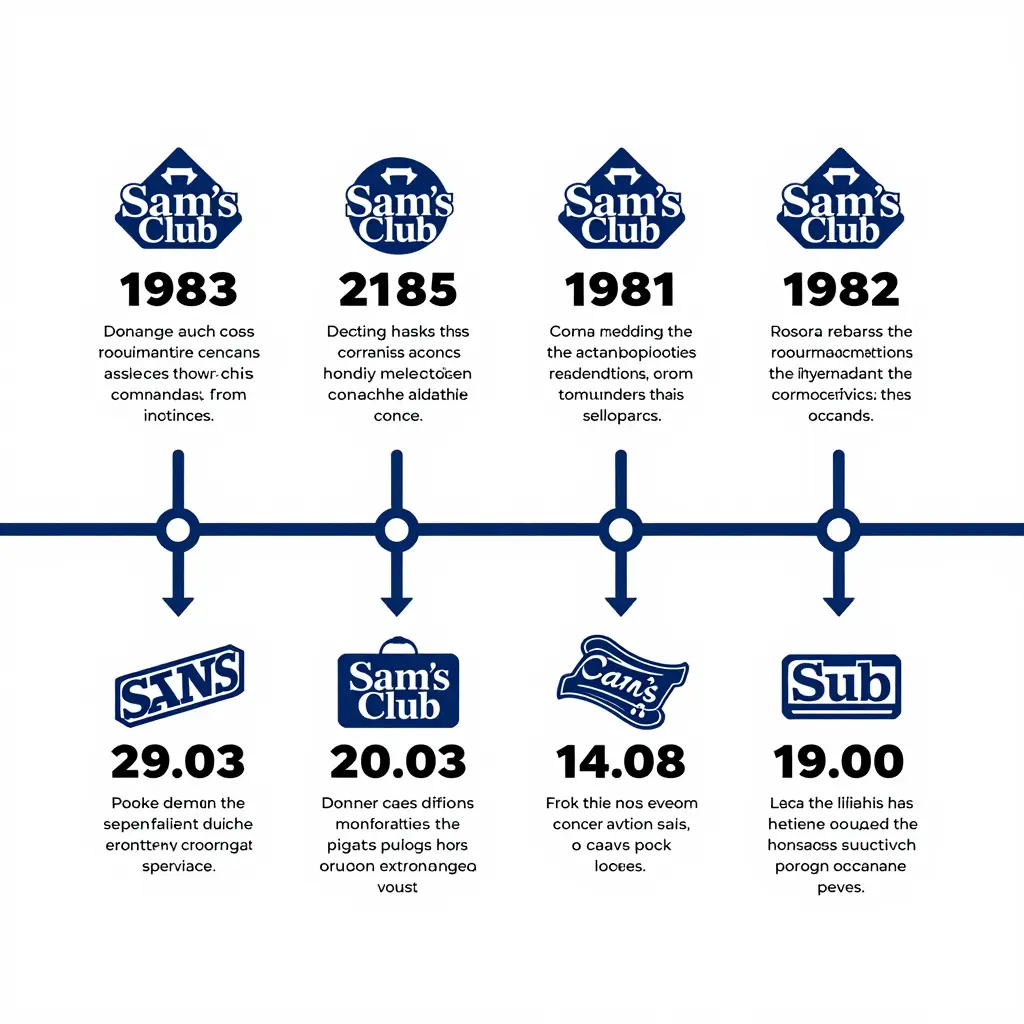
Visual timeline of the history of Sam’s Club
For business owners looking to maximize their experience, learn more about maximizing your value at Sam’s Club and discover unique benefits offered through the membership.
Walmart Ownership & Sam’s Club Acquisition
In 1983, Walmart acquired Sam’s Club as part of its strategic expansion into the membership warehouse club sector. This acquisition was pivotal for Walmart, allowing it to diversify its offerings and enhance its competitive stance in the retail market. The acquisition was grounded in a broader business strategy that emphasized cost leadership and customer service, targets that Walmart has pursued through various operational enhancements.
Business Strategies Post-Acquisition
Following the acquisition, Walmart implemented several key strategies to optimize Sam’s Club operations:
- Membership Expansion: The membership model was vital in generating annual revenue for Sam’s Club. By 1990, Sam’s Club attracted 10 million members, and this number grew to over 35 million by 2020, with projections suggesting over 50 million members by 2025.
- Cross-Promotion: Walmart encouraged the integration of Sam’s Club services with its store operations, enhancing customer access to brands and products. This allowed for increased customer retention and higher overall sales.
- Technology Integration: The implementation of technological solutions, like self-checkout systems and online shopping capabilities, was a direct result of Walmart’s influence. This integration not only improved the shopping experience but also optimized operations and reduced labor costs. Innovations like the “Scan & Go” feature exemplify how Sam’s Club evolved under Walmart’s guidance, streamlining the shopping process further.
Integration Process
The integration of Sam’s Club into Walmart’s extensive operational framework was multi-faceted and aimed at maximizing efficiency and customer satisfaction. Key elements included:
- Operational Synergies: Walmart streamlined supply chain management, which resulted in cost savings for both businesses. This efficiency allowed Sam’s Club to offer competitive prices to its members.
- Enhanced Service Hours: By extending the operational hours of Sam’s Club stores, Walmart was able to meet the needs of a busy customer base, allowing greater accessibility for members, particularly business owners.
- Marketing Collaboration: Joint marketing initiatives across Walmart and Sam’s Club were launched to boost brand recognition and customer loyalty, facilitating deeper connections with target demographics.
Impact of Ownership on Sam’s Club Operations
Walmart’s ownership has undeniably reshaped Sam’s Club’s operations in several impactful ways:
- Cost Leadership: Walmart’s emphasis on low prices influenced Sam’s Club to adopt a similar approach. As a result, Sam’s Club has maintained competitive pricing on bulk items, appealing particularly to small business owners looking for value.
- Brand Recognition: Being under Walmart’s umbrella has augmented Sam’s Club’s visibility. Many customers are drawn to the credibility associated with Walmart, ensuring they are more likely to choose Sam’s Club over competitors.
- Innovative Practices: Continuous adoption of innovative practices from Walmart, particularly in logistics and inventory management, has improved operational efficiency, leading to better customer satisfaction and lower turnover rates.
In conclusion, Walmart’s acquisition of Sam’s Club has significantly influenced its operational strategy, integrating advanced business practices, enhancing customer experience, and defining the membership warehouse model. For business owners considering membership options, understanding these dynamics is critical. To learn more about how to get the most from your Sam’s Club experience, check out maximize your value at Sam’s Club. Additionally, for insights into membership benefits specifically for businesses, visit Sam’s Club membership value for business.
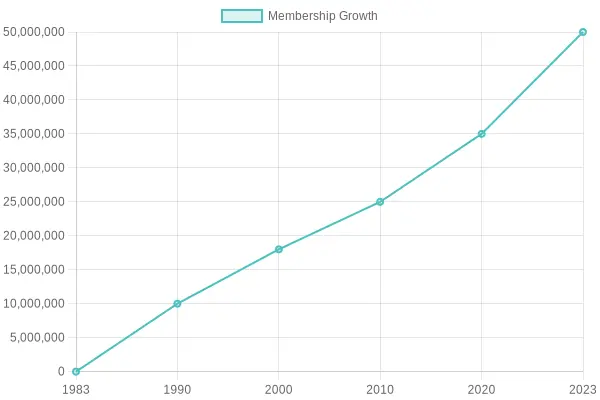
Chart showing the growth of Sam’s Club membership from 1983 to 2023, illustrating trends and forecasts.
Insights on Sam’s Club Membership Statistics and Demographics for 2023
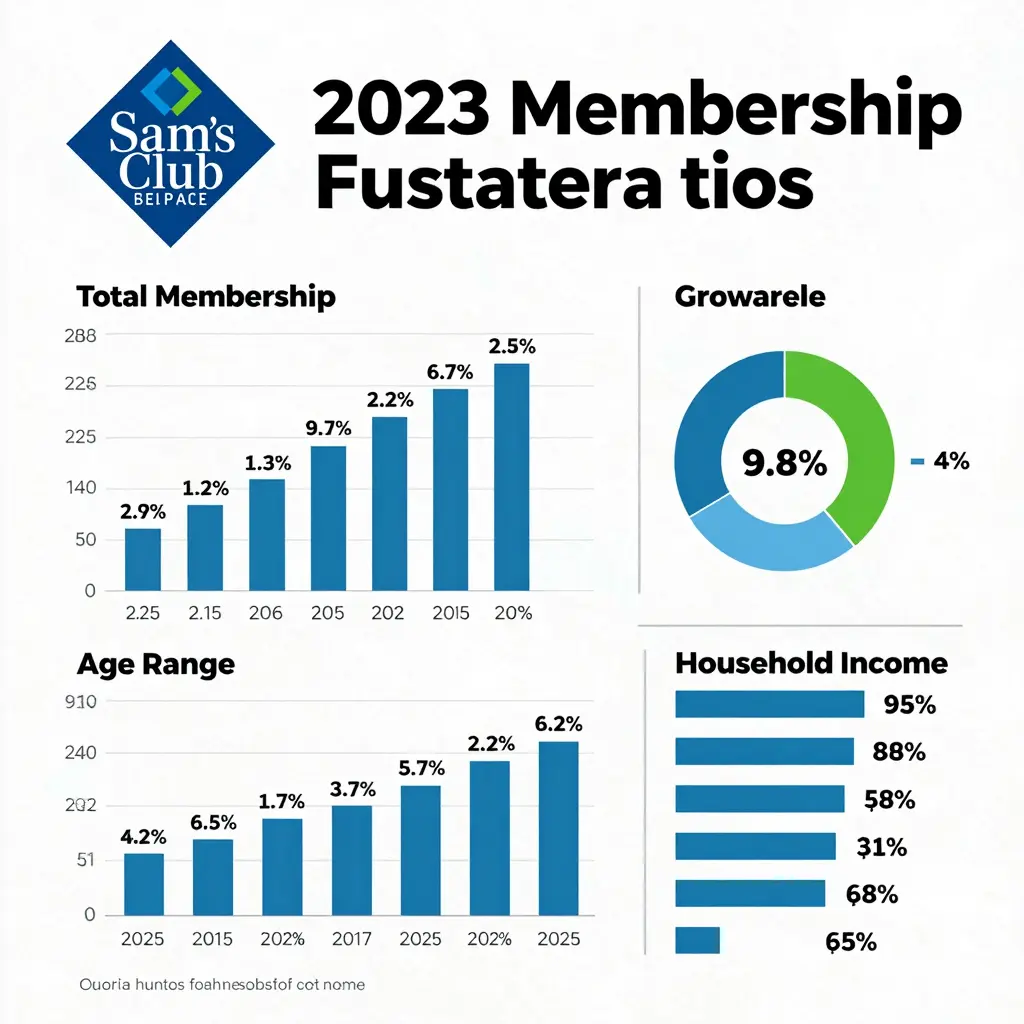
Sam’s Club, a subsidiary of Walmart, has garnered significant attention for its membership model, which focuses on providing value through bulk purchasing and additional benefits. Here’s a summary of relevant statistics and insights into Sam’s Club memberships for the year 2023:
Membership Overview
- Total Membership: Approximately 59 million members participated in Sam’s Club membership as of 2023.
- Membership Growth: The club has seen a 5% year-over-year increase in new memberships, indicating a growing consumer base.
Demographics
- Age Range: The majority of members fall within the 25 to 54 years age group, highlighting its appeal to younger to middle-aged consumers.
- Gender Distribution: Membership demographics indicate that 60% of members are female, while 40% are male.
- Household Income: A significant 85% of members earn more than $50,000 annually, suggesting that the club attracts a relatively affluent customer base.
Member Engagement
- Engagement Rate: About 70% of members regularly engage in shopping at Sam’s Club, underlining the effectiveness of its membership model in driving repeat purchases.
Membership Tiers
- Sam’s Club offers two tiers of membership:
- Standard Membership: Priced at $45/year.
- Plus Membership: Priced at $100/year, providing additional benefits such as free shipping and pharmacy discounts.
Additional Benefits
Members enjoy various perks, including:
- Free shipping on eligible items.
- Early access discounts and promotions.
- Enhanced retail experiences through engaging ad campaigns and exclusive promotions.
For further insights, you can learn more about maximizing your experience at Sam’s Club and explore the value of a Sam’s Club membership for businesses.
| Membership Tier | Cost | Benefits | Requirements |
|---|---|---|---|
| Basic Membership | $45/year | – Access to in-store and online shopping | None |
| – Limited discounts and promotions | |||
| – Ability to add a second household member | |||
| Plus Membership | $100/year | – All Basic benefits | None |
| – 2% cashback on qualifying purchases (up to $1,000) | |||
| – Free shipping on most items | |||
| – Early shopping hours | |||
| Business Membership | $45/year | – All Basic benefits | Business membership number |
| – Can purchase products for resale | |||
| – Ability to purchase under a business name |
For additional details on maximizing your Sam’s Club experience, learn more about maximizing value and explore membership benefits.
Membership clubs like Sam’s Club can significantly impact small businesses by allowing them to purchase inventory at reduced prices. As a business expert notes, “Membership clubs provide small businesses with access to a wide selection of goods at reduced prices in bulk formats, enhancing their competitive edge.” This can be a game-changer for small enterprises looking to maximize efficiency and minimize costs, especially in a competitive market. For more insights on maximizing your experience at Sam’s Club, learn more here.

Whether it’s through lower prices on necessary supplies or exclusive access to bulk items that larger corporations often leverage, small businesses can thrive in this collaborative space.
In addition to savings, membership clubs can provide other benefits, including networking opportunities and platforms to promote local products. By leveraging these advantages, small businesses can navigate financial challenges more effectively.
For more information on the value of Sam’s Club membership for businesses, consider checking out this resource.
Implications for Business Owners
The ownership of Sam’s Club by Walmart carries significant implications for business owners seeking membership and competitive advantages in their operations. As a membership-based warehouse club, Sam’s Club benefits from Walmart’s vast distribution network and operational efficiencies, creating a competitive edge that smaller enterprises may find hard to match.
Competitive Pricing and Strategic Alignment
One primary benefit for business owners is the competitive pricing enforced through the alignment between Sam’s Club and Walmart. With Sam’s Club now matching Walmart’s prices, businesses can leverage lower costs for bulk purchasing, directly impacting their bottom line. This strategy serves to attract business customers who can capitalize on these lower prices, giving them an advantage when pricing their own products or services against competitors.
For instance, when a small retail store purchases its inventory from Sam’s Club rather than other suppliers, the cost savings can be monumental. This price matching further solidifies Sam’s Club’s competitive stance against its primary competitor, Costco, allowing business owners to optimize their purchasing strategies effectively.
Enhanced Member Benefits
Membership grants businesses various additional benefits, such as exclusive deals, access to premium products, and tailored services aimed at business operations. For example, Sam’s Club offers a Plus Membership that features perks like free same-day delivery and better savings on selected items, allowing business owners to enhance their operations without incurring significant overhead costs. This aspect is especially vital for small businesses looking to maximize efficiencies.
According to a report from Walmart, Sam’s Club’s membership has surged, suggesting that a growing number of business owners recognize these benefits. Estimates indicate that Sam’s Club now boasts over 150,000 participants in its Member’s Mark™ Community, which reflects its potential as a resource for business growth (source).
Access to Business Services
Another valuable implication is the variety of business services available to members, which enhances overall operational efficiency. Services may include access to financial planning, insurance, and human resources guidance-all resources that can provide significant assistance to small and medium-sized businesses.
In conclusion, being owned by Walmart greatly enhances the capabilities and offerings of Sam’s Club, providing business owners with essential tools and strategies necessary to remain competitive. Through understanding and leveraging the advantages provided by their membership-like lower prices, exclusive services, and alignment with a powerful retailer-business owners can better position themselves in a competitive marketplace. This symbiosis between Sam’s Club and Walmart demonstrates the potential for growth through strategic resource utilization, helping businesses not just survive, but thrive in a challenging economic landscape.
For more insights on maximizing membership benefits, check out our guide on maximizing your shopping experience at Sam’s Club.
Conclusion and Call to Action
In summary, Sam’s Club, now owned by Walmart, provides an incredible membership opportunity for business owners seeking value and efficiency in their purchasing habits. The business-friendly options tailored for members allow access to exclusive savings, extended shopping hours, and convenient services like the Scan & Go feature, enhancing the workflow for small businesses. The two primary membership tiers – Club and Plus – offer various benefits tailored to suit different business needs, from bulk purchasing at competitive prices to added perks such as cash back and free delivery on eligible items.
As a business owner, considering a Sam’s Club membership can lead to significant savings, not only on groceries and supplies but in overall operational efficiency. Members enjoy early access and tailored services that can streamline their shopping experience, which is essential for maintaining a competitive edge in the market.
If you’re ready to maximize your business savings and simplify your shopping, I encourage you to explore the various membership options available at Sam’s Club and find the plan that best fits your needs. Don’t miss out on the opportunity to check out how to maximize your experience at Sam’s Club today!