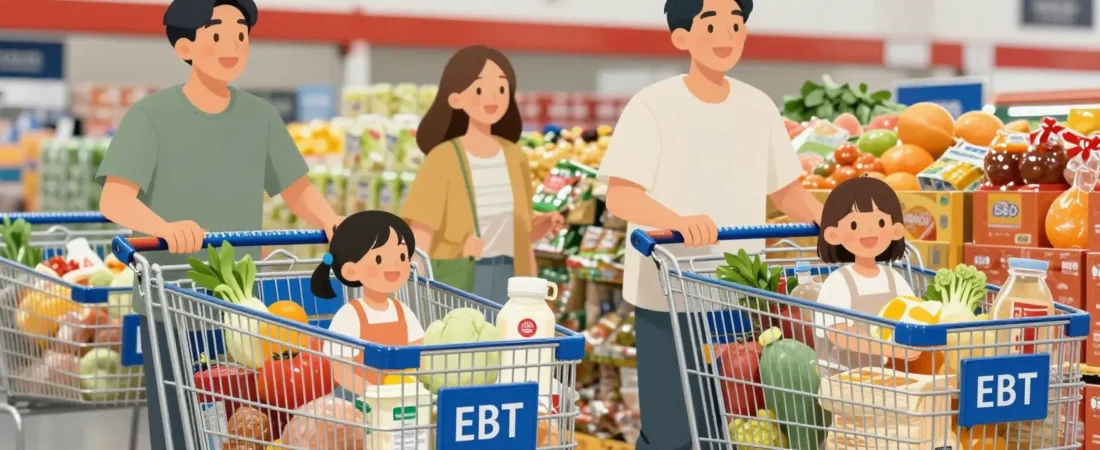
The acceptance of Electronic Benefits Transfer (EBT) at retail establishments, particularly at Sam’s Club, is a topic of increasing relevance, especially for business owners looking to enhance their customer base. Surprisingly, as of 2023, EBT transactions accounted for a remarkable 14.7% of retail payments in the United States, a significant rise from 13.2% in the previous year. This spike in usage underscores the growing reliance on EBT among consumers in low-income brackets, driven by economic pressures and expanded government assistance. For many business owners, accepting EBT is not just a regulatory requirement but also a strategic move to tap into a demographic that is often underserved in traditional retail settings. By accommodating EBT transactions, Sam’s Club not only fosters inclusivity but also increases its potential customer base by catering to those who depend on such benefits for their essential shopping needs. This approach not only broadens the retailer’s appeal but importantly supports the community by making affordable options accessible for all. To learn more about maximizing your experience at Sam’s Club, consider how accepting EBT can impact your business model effectively.
Overview of Electronic Benefits Transfer (EBT)
Electronic Benefits Transfer (EBT) is a crucial system in the United States that facilitates the distribution of benefits from federal nutrition assistance programs, notably the Supplemental Nutrition Assistance Program (SNAP), commonly referred to as food stamps.
How EBT Works
EBT functions similarly to a debit card, where eligible individuals and families receive a plastic card loaded with monthly benefits. Recipients use this card to purchase authorized food items at participating retail stores. The benefits are automatically transferred onto the card each month and can only be accessed using a secure Personal Identification Number (PIN). This digitization of food assistance eliminates the need for paper coupons, streamlining the process for both consumers and retailers.
Role in Food Assistance Programs
EBT plays a vital role in ensuring food security for low-income households. By providing a convenient and controlled method for accessing food benefits, EBT helps reduce barriers that individuals might face in obtaining nutritious groceries. As reported by the USDA, this system not only offers privacy and security to users but also enables better management of benefits compared to traditional methods (source: USDA Food and Nutrition Service).
Utilization in Stores
The EBT system has been widely adopted by retailers, enhancing their capabilities to serve a broader customer base. As of late 2024, over 300 retailers, including giants like Walmart and Amazon, are approved to use EBT for online grocery shopping as well (source: USDA – Food and Nutrition Service). Retailers must comply with defined requirements, ensuring a secure shopping experience and that only eligible food items are purchased with EBT. Furthermore, a recent study by the National Retail Federation revealed that approximately 78% of large retailers now offer EBT-enabled self-checkout kiosks, which improves customer service and efficiency in transactions (source: National Retail Federation).
Relevance to Business Owners
For business owners, accepting EBT can be a strategic decision that opens the door to a substantial customer segment. Offering EBT at their stores allows businesses to tap into the needs of low-income customers who rely on these benefits for their grocery needs. This not only enhances customer loyalty but can also improve overall sales as retailers serve a demographic that increasingly seeks accessibility and affordability in their grocery shopping experience. As such, understanding and adapting to EBT’s operational requirements can significantly benefit businesses in competing effectively in today’s market.
Sam’s Club EBT Acceptance Policies
Sam’s Club actively participates in the Supplemental Nutrition Assistance Program (SNAP) and accepts Electronic Benefit Transfer (EBT) cards at all of its locations across the United States. Here’s a detailed overview of their policies regarding EBT acceptance and the limitations that come with it:
Eligibility and Accepted Purchases
- Eligible Purchases: Customers can use EBT cards to buy qualifying food items, including groceries. This also extends to certain non-food items like diapers and baby formula, provided they are approved by USDA regulations.
- Prohibited Purchases: EBT cannot be used to purchase non-food items that do not qualify under SNAP guidelines, including alcohol, tobacco products, and household supplies, unless specifically stated.
Membership Requirements
- Membership: One of the benefits of shopping at Sam’s Club is that both members and non-members who qualify for SNAP can use EBT cards. This inclusivity allows a wider audience to take advantage of purchasing essential goods while utilizing their SNAP benefits.
Checkout Process
- No Additional Documentation Required: When making a purchase, customers simply need to swipe their EBT card at checkout. No additional paperwork or verification is typically necessary.
- Technical Issues: Occasionally, customers might encounter technical glitches during checkout, but staff are trained to resolve these issues quickly, ensuring minimal disruption to the shopping experience.
Limitations on Online Purchases
- Restrictions: It’s important to note that Sam’s Club does not accept EBT cards for online purchases or in-store delivery services. EBT payments are strictly limited to in-store transactions.
Customer Support
For any issues related to the use of EBT cards, Sam’s Club provides a dedicated customer service line designed to assist customers in navigating their options effectively.
For more information on maximizing your experience with EBT at Sam’s Club, take a look at their official page on EBT and SNAP Benefits.
EBT Acceptance Policies Comparison
To provide insights into the competitiveness of Sam’s Club in the market, below is a comparison table outlining the EBT (Electronic Benefit Transfer) acceptance policies at major retailers including Sam’s Club, Walmart, Costco, and Target.
| Retailer | EBT Acceptance Location | Online EBT Acceptance | Notable Features |
|---|---|---|---|
| Sam’s Club | Selected locations (using Scan & Go service) | No | First retailer to support digital EBT payments |
| Walmart | All stores and online | Yes | Expanded EBT acceptance in 2023 for increased access |
| Costco | All U.S. locations | No | EBT can be used for eligible food items only |
| Target | All stores | Yes | Supports EBT SNAP via Target Circle app for online purchases |
Summary of EBT Acceptance
- Sam’s Club supports EBT payments at selected locations through their innovative Scan & Go service, allowing ease of use for beneficiaries. Learn more about maximizing your experience at Sam’s Club.
- Walmart has confirmed EBT acceptance at all of its stores and online shopping capabilities, making it highly accessible for SNAP recipients.
- Costco accepts EBT at all locations but limits its use strictly to eligible food items, not allowing it for non-food purchases.
- Target has implemented EBT acceptance in its stores and online through the Target Circle app, enhancing convenience for its customers.
This comparison highlights how retailers are adapting to provide better access for individuals relying on EBT benefits, positioning Sam’s Club competitively in this market.
User Experience for EBT Users at Sam’s Club
Sam’s Club has made significant strides in enhancing the user experience for EBT (Electronic Benefits Transfer) users, focusing on efficiency and accessibility. The checkout process at Sam’s Club, especially for those utilizing EBT cards, is straightforward yet equipped with modern technology to streamline transactions and cater to the needs of a diverse clientele.
Checkout Steps for EBT Users
- Selection of Items: EBT users can shop freely within the aisles, selecting items eligible under the SNAP (Supplemental Nutrition Assistance Program). It’s crucial that customers are aware that non-food items cannot be purchased using EBT.
- Using the Self-Checkout: Sam’s Club offers state-of-the-art self-checkout systems. EBT users can utilize these kiosks, which are designed to recognize SNAP-eligible items efficiently. The AI technology ensures that only approved items are scanned and charged under EBT rules. This minimizes errors during the transaction process.
- Assistance at Checkout: For those unsure about their selections, live cashiers are available to assist with any questions or concerns regarding eligible items. This support is vital in ensuring compliance and helping users navigate the process smoothly.
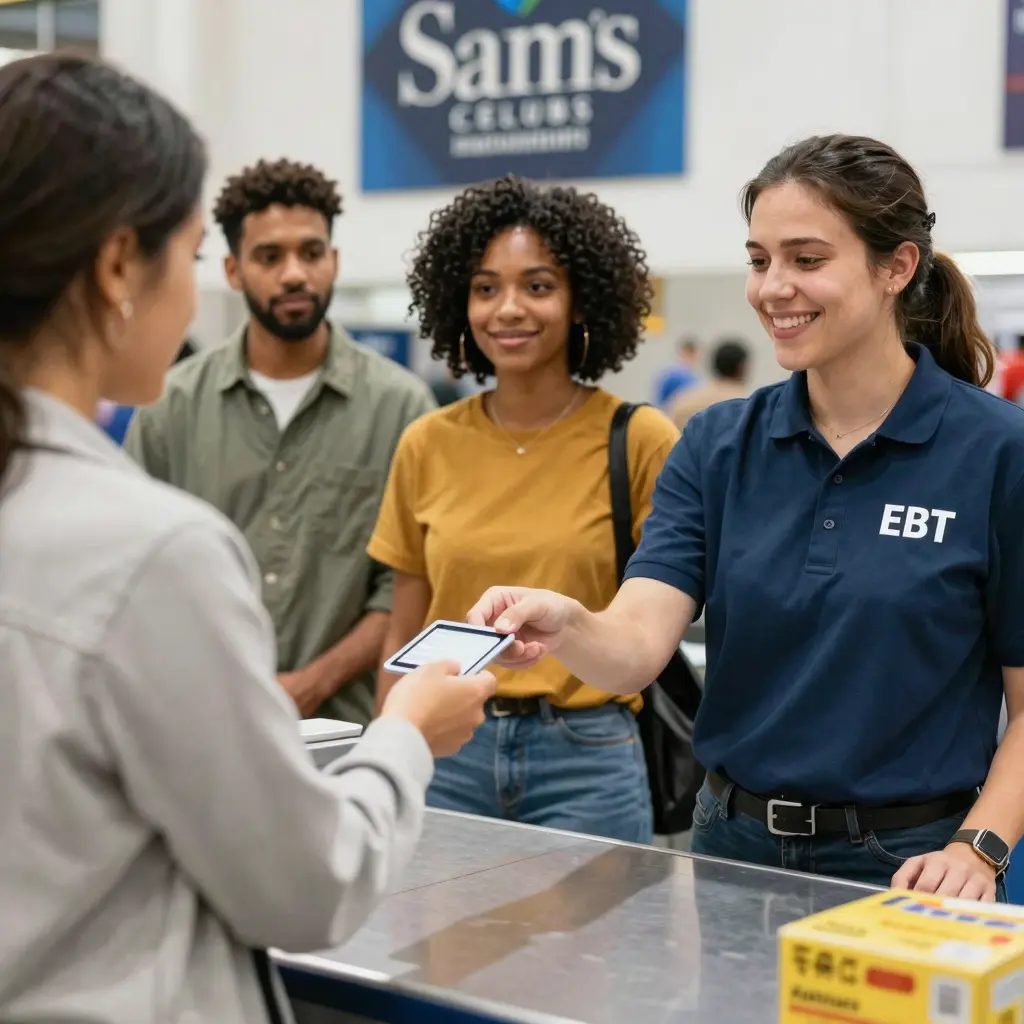
- Final Payment: EBT payment is accepted seamlessly at self-checkout kiosks and traditional registers. Users simply swipe their EBT cards to complete the transaction, making the payment process quick and hassle-free.
Special Considerations
- Technology Integration: Recent upgrades to the checkout system, which include AI-powered features, enhance transaction speeds, reduce wait times, and minimize errors during purchases. This innovation has particularly benefited EBT users, allowing them to complete their shopping efficiently and without unnecessary delays, even during peak hours.
- Diversity and Accessibility: Sam’s Club’s efforts to improve the shopping experience for EBT users reflect a broader commitment to inclusivity, making sure all customers, regardless of their financial situations, have easy access to quality groceries and products. For business owners, catering to a diverse clientele enhances customer loyalty and broadens market appeal.
For additional insights, learn more about maximizing your shopping experience at Sam’s Club.
Benefits of Accepting EBT for Business Owners
Accepting EBT (Electronic Benefit Transfer) cards can provide numerous advantages for business owners, contributing to both revenue growth and enhanced community relations. As an owner or manager of a store, understanding these benefits is crucial for making an actionable decision about EBT acceptance.
1. Attract More Customers
By accepting EBT, businesses can tap into a significant customer base. Over 45 million Americans utilize SNAP (Supplemental Nutrition Assistance Program) benefits annually. This means that by accepting EBT, your store can attract low-income families who otherwise may not shop at your location. According to the National Restaurant Association, restaurants participating in the Restaurant Meals Program (RMP) reported an average revenue increase of 18% during peak hours after accepting EBT. Such increases can be pivotal for small businesses looking to expand their customer base and improve sales.
2. Boost Revenue
The financial impact of accepting EBT can be noteworthy. Businesses that integrate EBT into their payment systems often see increased transaction volumes. As noted by the U.S. Department of Agriculture, the boost to sales volume can be substantial as more customers choose to purchase groceries with their benefits. In addition, EBT transactions typically have lower fees compared to typical credit card processing costs, making it a cost-effective way to increase profits.
3. Enhance Community Relationships
Accepting EBT can also significantly enhance your business’s relationship with the community. Businesses that provide access to nutritious food options for families on food assistance programs are viewed positively. This inclusive approach helps establish goodwill as your store becomes recognized as a community resource. Community-driven communication strategies reinforce this relationship, as businesses that foster connections with the communities they serve are likely to see higher customer loyalty and engagement.
4. Improve Store Visibility
Many SNAP recipients utilize tools like the EBT Map, which can increase visibility for businesses accepting EBT. Being on such platforms not only improves your marketability but also connects you with potential customers who are specifically looking to use their benefits at local stores.
Conclusion
Accepting EBT is a smart move for business owners aiming to broaden their market and establish a stronger community presence. By embracing this payment option, businesses can attract more customers, boost revenue, and foster goodwill within their communities. If you’re considering accepting EBT, take steps to integrate it into your operations for a more inclusive and profitable business model. For further insights on maximizing your experience with EBT at Sam’s Club, learn more about maximizing your experience at Sam’s Club or discover ways to maximize your value at Sam’s Club.
EBT Card Usage Trends and Their Impact on Retail Sales in Club Stores
As EBT (Electronic Benefit Transfer) card usage continues to evolve, recent studies reveal significant trends impacting retail sales within membership-based systems like Sam’s Club and Costco. These insights are crucial for business owners seeking to understand consumer behavior and improve sales strategies within their establishments.
Increased EBT Usage
The USDA’s 2023 report highlights a 7.2% increase in the redemption of SNAP (Supplemental Nutrition Assistance Program) benefits at retail stores, notably including club stores. Specifically, Sam’s Club experienced a 4.8% rise in overall grocery sales year-over-year due to the influx of EBT users. This shift indicates a strong correlation between EBT card usage and increased retail performance, especially in low-income urban areas where accessibility to food sources is critical. Explore more about maximizing your value at Sam’s Club.
Surge in EBT Transactions
A separate analysis by Retail Dive reported a 12% increase in EBT transactions in 2023 compared to 2022 at major membership-based retailers. This surge is attributed to expanded SNAP eligibility and enhancements in EBT processing systems. Despite the inherent membership requirements that can limit some low-income consumers, retailers like Sam’s Club have implemented targeted outreach strategies and digital tools to assist these customers, effectively broadening their customer base and increasing the average transaction value.
Regional Growth Trends
The National Bureau of Economic Research (NBER) provides a state-by-state analysis showing substantial growth in EBT-related sales at club stores in high SNAP participation states such as Texas and California. In these areas, EBT usage at warehouse clubs grew by over 10% in 2023. This trend underscores how EBT-enabled purchases are becoming increasingly essential to retail sales performance during times of inflation and escalating food costs, as more consumers rely on these benefits to fulfill their grocery needs.
Conclusion
With EBT card usage on the rise, club stores can expect further growth in this segment. Business owners should consider these trends when devising their marketing and operational strategies to accommodate and attract EBT users, ensuring they remain competitive in an evolving retail landscape. Learn more about how you can maximize your shopping experience at Sam’s Club.
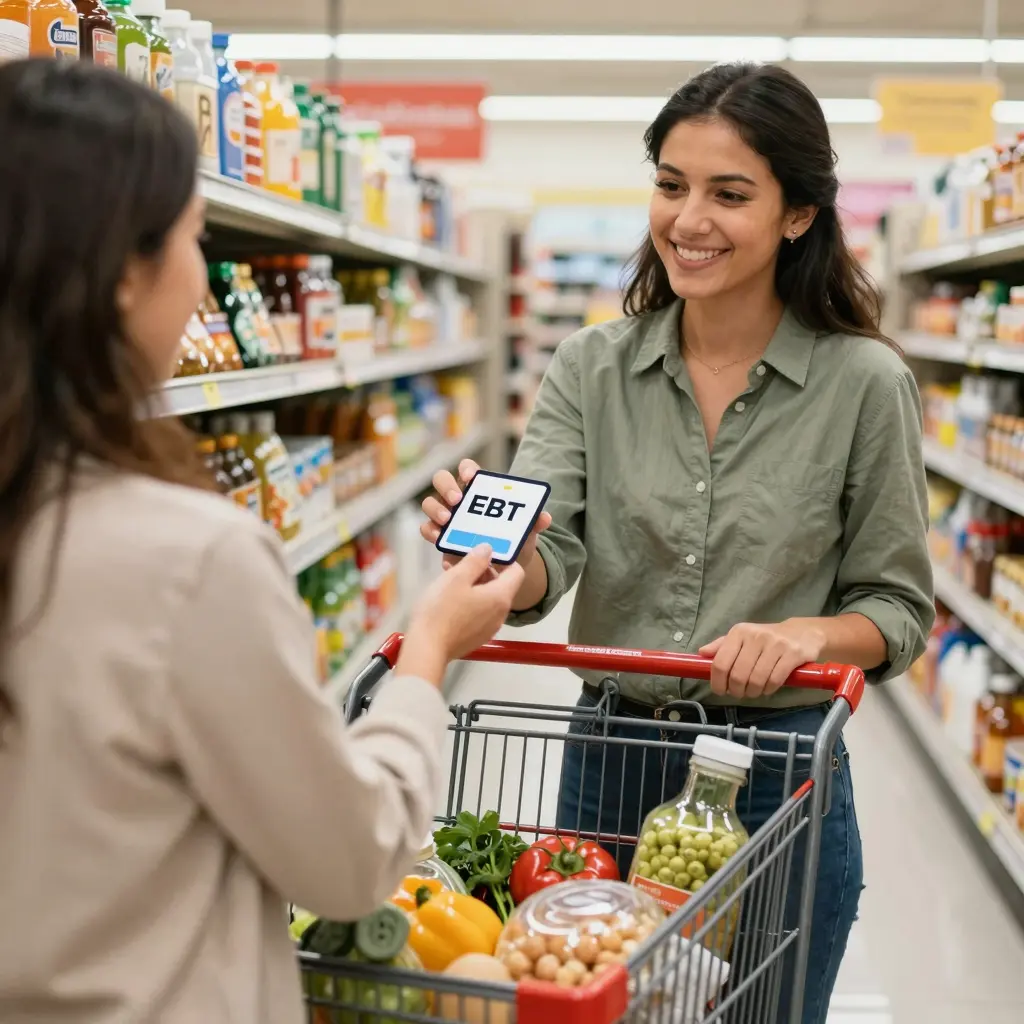
In conclusion, accepting Electronic Benefits Transfer (EBT) at your business can be a game changer. Not only does it allow you to serve a broader customer base, but it also enhances community ties and promotes health by providing access to nutritious food. As presented, businesses that have adopted EBT have seen increased sales and customer loyalty, benefiting both the owner and the consumers. With advancements in EBT technology, processing these payments has never been easier.
Moreover, the growing popularity of online grocery shopping has paved the way for even greater acceptance and use of EBT in various retail environments. This trend is vital in ensuring that low-income families have access to essential food items, especially in underserved areas. A company like Meijer has successfully implemented EBT into their online order systems, demonstrating the potential this method has.
Given these benefits, we urge business owners to consider integrating EBT acceptance into their services. Not only does it represent an opportunity for increased revenue, but it also signifies a commitment to community well-being and inclusivity.
For more insights and strategies on how to maximize your experience and value at Sam’s Club, don’t hesitate to learn more here and maximize your shopping experience.
Importance of EBT Acceptance
Accepting Electronic Benefit Transfer (EBT) can play a crucial role in the success of food retail businesses. As the retail landscape evolves, particularly after the COVID-19 pandemic, businesses that adapt and cater to diverse customer needs will likely thrive. One compelling reason to accept EBT is the potential for increased sales. According to the National Retail Federation, “Accepting EBT at physical and online points of sale significantly increases a retailer’s customer reach and revenue potential. Studies show that stores with EBT acceptance see an average 15-20% increase in sales from SNAP users.”
Furthermore, embracing EBT acceptance enhances a retailer’s brand reputation. By participating in public assistance programs, businesses demonstrate social responsibility, improving community trust and customer loyalty. In competitive markets, this can be a significant differentiator that attracts underserved populations.
Additionally, according to a report from the USDA, “Businesses that participate in EBT programs gain access to a growing market segment, increase sales volume, and improve customer loyalty by offering convenient, accessible shopping options.” This not only helps sustain local economies but also stimulates innovation in e-commerce and logistics within the retail sector.
To explore more about the benefits of accepting EBT, check out our guide on maximizing your shopping experience at Sam’s Club. As more businesses recognize the positive impact of EBT acceptance, it is clear that this business strategy is not just about compliance, but about unlocking new opportunities for growth.