
In the world of retail, particularly for business owners at Sam’s Club, understanding store hours is critical to maintaining smooth operations and ensuring everything runs on schedule. Knowing Sam’s Club hours can have a significant impact on various facets of business management, such as inventory delivery, business scheduling, and overall operational efficiency. As these hours dictate when inventory can be restocked or delivered, they play a pivotal role in reducing potential downtime and optimizing labor costs. For instance, aligning your inventory management processes with Sam’s Club’s hours can help prevent situations where high-demand products are out of stock or excessively overstocked. Moreover, when business owners are aware of the store’s operational times, they can better schedule staff shifts, ensuring that employees are available during peak shopping hours when customer traffic is highest. According to recent research, businesses that effectively synchronize their operations with store hours experience up to a 17% improvement in inventory turnover and a 12% reduction in stock-out incidents. In essence, this knowledge not only simplifies logistics but also bolsters a business’s bottom line. Learn more about maximizing your shopping experience at Sam’s Club and discover how crucial store hours can be to your operational strategies. Additionally, understanding how Sam’s Club approaches operational efficiency can provide further insights into improving your own management practices. Furthermore, as business dynamics shift, keeping abreast of Sam’s Club’s hours will enable you to adapt quickly and leverage your decision-making to streamline inventory operations effectively.
Business Benefits of Knowing Store Hours
Understanding and optimizing store hours can significantly benefit business owners. In today’s fast-paced retail environment, effective time management strategies are vital for maximizing operations. Here are some key benefits of knowing store hours:
-
Better Inventory Planning
Knowing peak shopping hours allows retailers to better plan their inventory. This means stocking popular items just before busy periods, minimizing shortages and excess stock. -
Improved Supplier Relations
By aligning store hours with supplier delivery schedules, businesses can ensure timely replenishment of stock. This relationship can lead to better pricing and service from suppliers, fostering a win-win situation. -
Enhanced Customer Satisfaction
Clear communication of business hours builds customer trust. Shoppers appreciate knowing when they can visit, which can lead to increased foot traffic and higher sales. Research from the National Retail Federation reveals that flexible store hours boost customer satisfaction and loyalty. -
Operational Efficiency
Analyzing foot traffic data enables businesses to allocate staff more effectively. By understanding when the busiest times are, owners can ensure sufficient staffing during peak hours while minimizing unnecessary labor during slow times, thereby optimizing labor costs (learn more about time management strategies). -
Targeted Marketing Strategies
Knowledge of store hours can inform marketing campaigns. Promotions or advertisements can be timed to coincide with peak shopping hours, thus maximizing exposure and engagement. By promoting time-sensitive deals, businesses can drive more traffic during specific hours. -
Risk Mitigation
Understanding store hours can help businesses mitigate risks associated with poor service during high-demand periods. The appropriate planning can prevent long lines and customer dissatisfaction, as seen in strategies highlighted by various business operation blogs. -
Increased Sales Opportunities
Extending store hours, where feasible, can meet growing consumer demand. For example, opening earlier or closing later can capture incremental sales from customers whose schedules do not align with regular hours.
Business owners who effectively manage store hours by understanding their impact on operations can not only enhance efficiency but also create a better customer experience. This strategic approach to time management contributes to overall business optimization and sustained growth.
Comparing Sam’s Club Closing Times
Understanding Sam’s Club closing times helps business owners better plan their shopping trips. Below is a comparison of closing times for Sam’s Club alongside its competitors, Costco and BJ’s Wholesale. This table includes operational days along with specific hours to make it easier to see the differences.
| Store | Sunday | Monday | Tuesday | Wednesday | Thursday | Friday | Saturday |
|---|---|---|---|---|---|---|---|
| Sam’s Club | 8:00 PM | 10:00 PM | 10:00 PM | 10:00 PM | 10:00 PM | 10:00 PM | 10:00 PM |
| Costco | 8:30 PM | 9:00 PM | 9:00 PM | 9:00 PM | 9:00 PM | 9:00 PM | 6:00 PM |
| BJ’s Wholesale | 8:00 PM | 10:00 PM | 10:00 PM | 10:00 PM | 10:00 PM | 10:00 PM | 10:00 PM |
Sam’s Club generally operates from 8:00 AM to 10:00 PM most days of the week, but specific hours may vary by location. For instance, learn more about Sam’s Club hours to find out about nearby locations or specific hour differences. Costco and BJ’s typically have similar evening hours on weekdays, with Costco closing earlier on weekends.
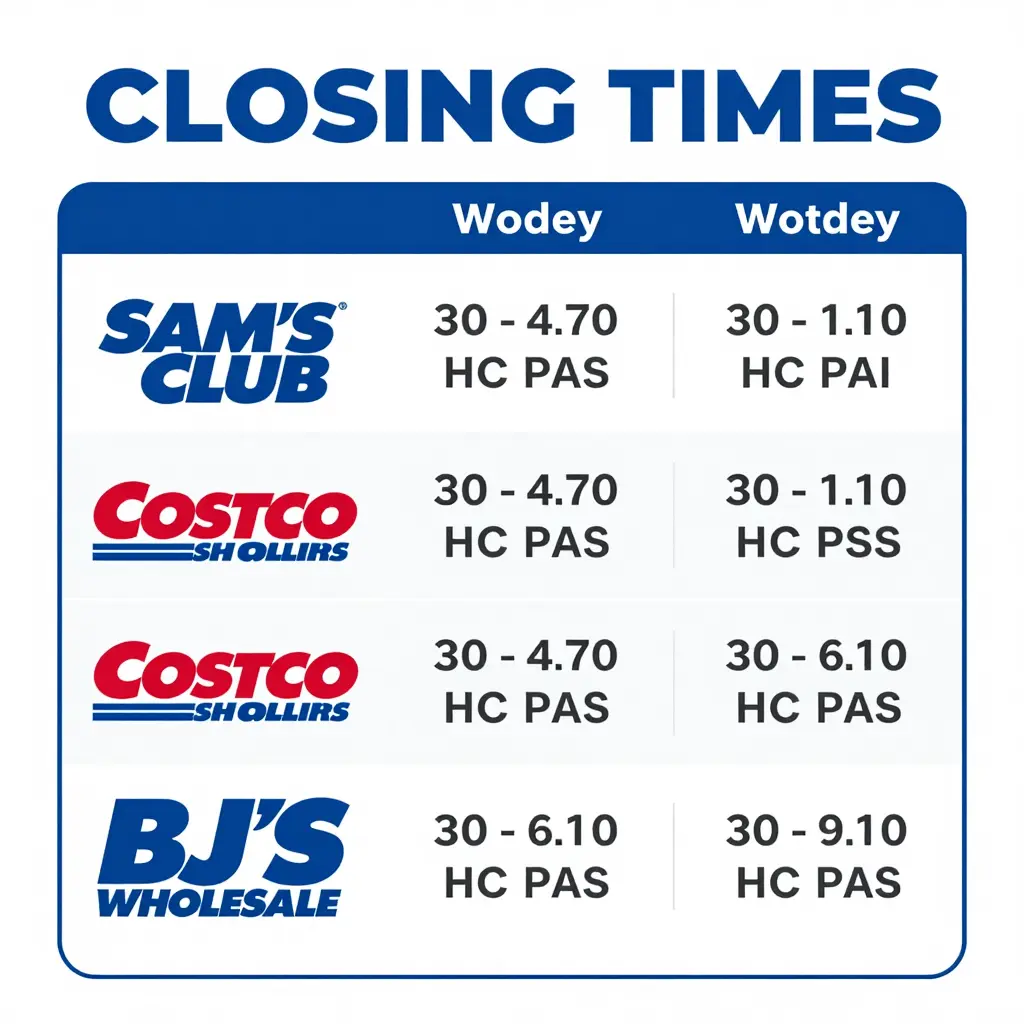
This image visually represents the closing times for easy reference.
Factors Affecting Sam’s Club Hours
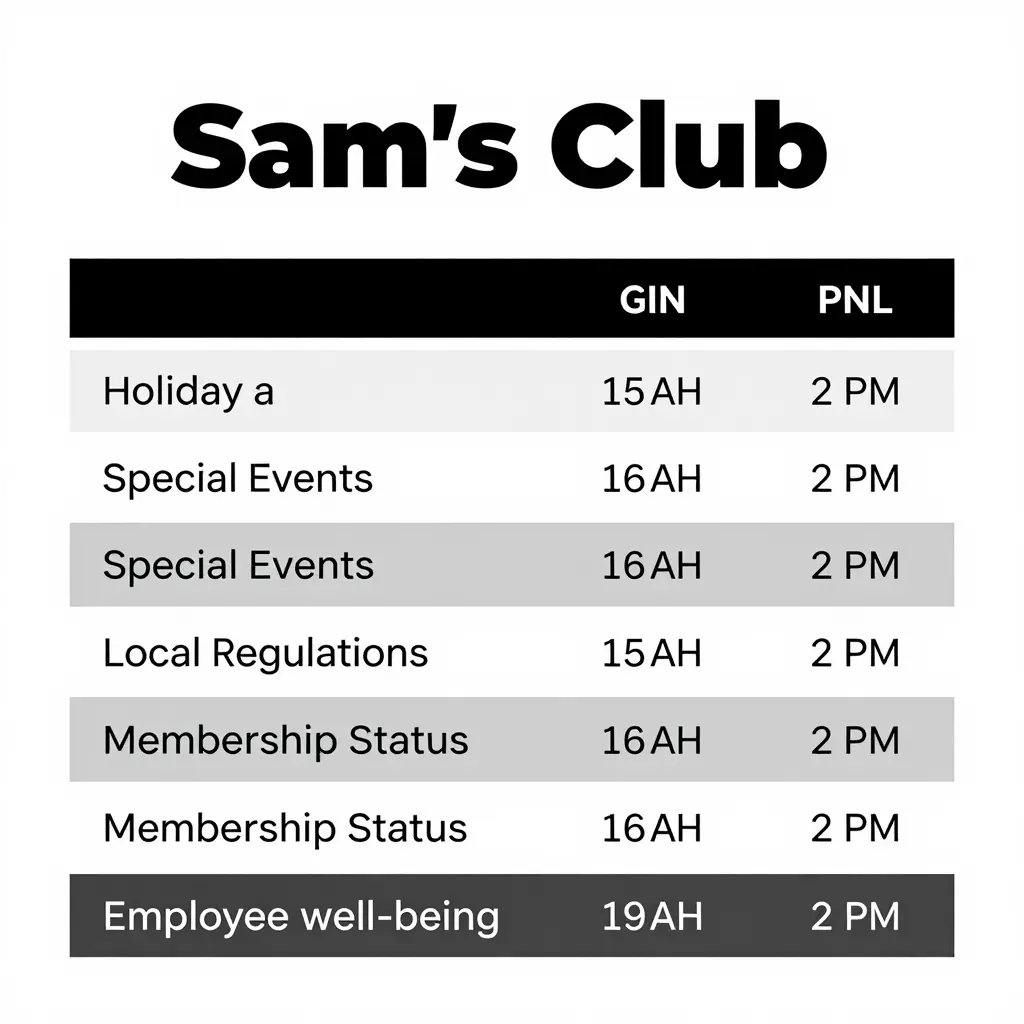
Business owners should be aware of several important factors that can influence the closing hours of Sam’s Club, especially if they plan to shop or rely on the store for supplies. Here’s a concise list:
-
Holiday Hours: Sam’s Club typically observes significant closures on major holidays. Some key examples include:
-
New Year’s Day
-
Memorial Day
-
Independence Day
-
Labor Day
-
Thanksgiving Day
-
Easter Sunday
These closures are designed for employee well-being and consistency across all locations.
-
Location-Based Hours: While Sam’s Club maintains a standard national schedule, individual store locations might experience different foot traffic levels due to their geographic area, yet corporate policies dictate uniform holiday hours.
-
Special Events: Major local events, such as festivals or sporting events, typically do not impact operational hours, as the company adheres to its national holiday schedule regardless of local happenings.
-
Local Regulations: Laws or regulations in specific areas can influence store hours, although Sam’s Club generally keeps its operational hours consistent across its locations.
-
Membership Status: Only members can shop at Sam’s Club, which may influence traffic patterns at different times of day and create potential fluctuations in demand, but it does not affect closing times directly.
-
Employee Well-Being: The company prioritizes employee work-life balance and thus maintains strict holiday closure policies to improve staff conditions and service performance.
For more detailed insights on how to maximize your experience at Sam’s Club, read our guide on maximizing your shopping experience.
Understanding Sam’s Club Closing Hours
Sam’s Club plays a crucial role in the operations of many businesses, especially those that rely on bulk shopping for supplies and products. Knowing the Sam’s Club closing hours is essential for effective planning, whether you’re a small business or a larger retail operation.
Typical Closing Hours
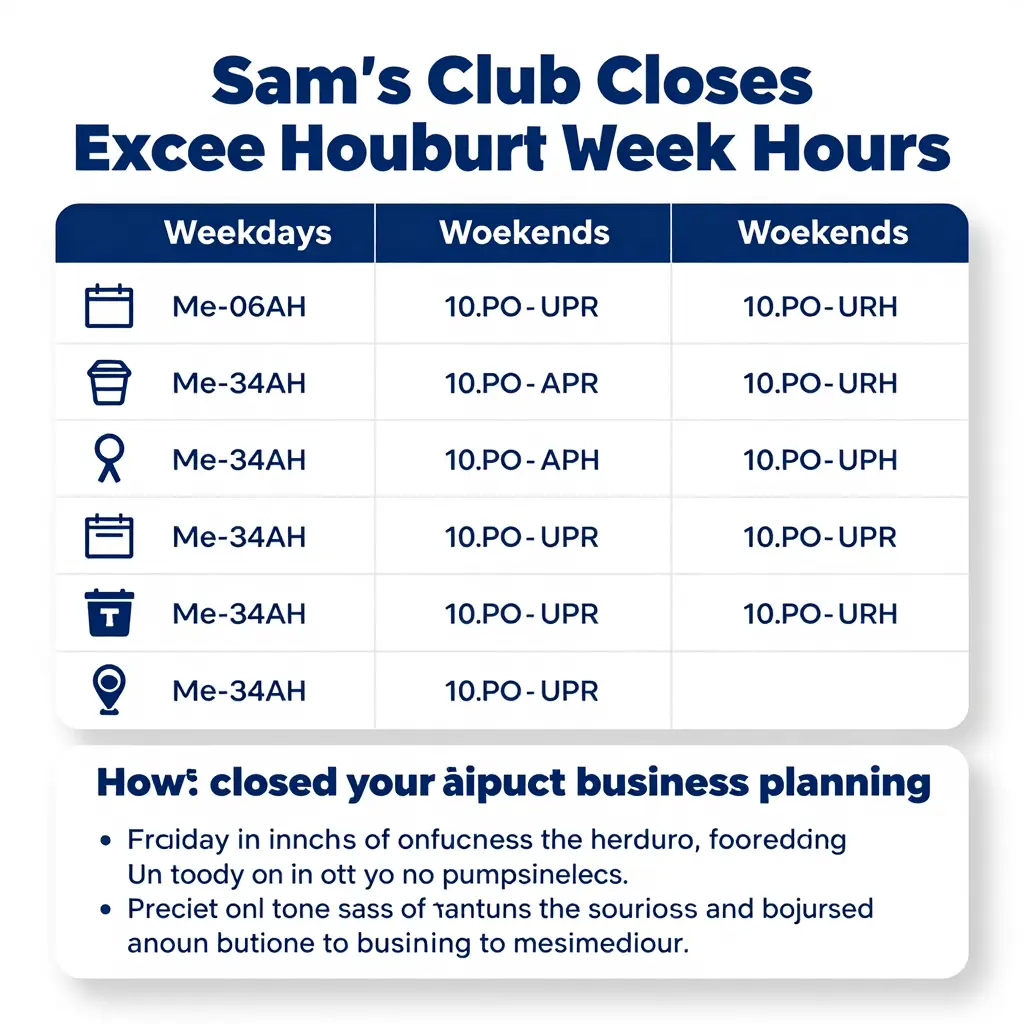
Sam’s Club generally maintains consistent operating hours throughout the week. Here’s a breakdown of their typical hours:
| Day | Hours |
|---|---|
| Monday | 10:00 AM – 8:00 PM |
| Tuesday | 10:00 AM – 8:00 PM |
| Wednesday | 10:00 AM – 8:00 PM |
| Thursday | 10:00 AM – 8:00 PM |
| Friday | 10:00 AM – 8:00 PM |
| Saturday | 9:00 AM – 8:00 PM |
| Sunday | 7:00 AM – 8:00 PM |
The weekday shopping hours are set to accommodate business owners looking to purchase necessary supplies after typical working hours. Understanding the weekend hours is particularly important as they differ slightly from weekdays, enabling businesses to shop early on Sundays when many retail establishments may not open until later.
Variations During Holidays
On certain holidays like Easter Sunday, Sam’s Club continues to operate with adjusted yet relatively standard hours (typically 10:00 AM to 8:00 PM). However, it’s essential to check the official website or contact your local store for any specific changes, especially during major holiday seasons when hours might shift more significantly.
Impact on Business Operations
The Sam’s Club closing hours can significantly affect business planning and operations. For example:
- Stocking Up: Knowing when Sam’s Club closes allows businesses to plan their stocking up schedules accordingly. If a business usually restocks on Fridays, they should note that Sam’s Club closes at 8 PM, allowing for final orders to be placed earlier in the day.
- Staffing Needs: Understanding these hours helps businesses optimize staffing during peak shopping times. For instance, being aware of the Saturday hours opening at 9 AM could encourage earlier shift starts.
- Avoiding Rush Hours: Businesses can plan their visits to avoid rush hours, ensuring a smoother shopping experience and quicker access to bulk items.
In conclusion, being mindful of the Sam’s Club closing hours is crucial for business owners who wish to maximize their shopping experience. By planning trips effectively based on these hours, businesses can ensure that they have the necessary resources to meet customer demand while reducing any operational disruptions. For more tips on maximizing your Sam’s Club experience, check out this resource on maximizing your experience at Sam’s Club.
Business Owner Testimonials on Sam’s Club Experience with Store Hours
Numerous business owners have shared exceptionally positive testimonials regarding their experiences with Sam’s Club, particularly highlighting how knowledge of store hours significantly benefited their operations. According to a report from Business Insider, several small business owners noted that the unique store hours at Sam’s Club provide a strategic advantage. For instance, a California catering supplier mentioned that accessing the designated weekday morning hours from 7 AM to 9 AM allowed him to avoid peak customer traffic, enabling him to efficiently stock up on kitchen supplies and packaging materials, thus enhancing his inventory management efficiency. Conversely, a home goods store owner in New York stated that the early weekend openings at 8 AM for business clients helped him secure promotional items ahead of competitors, saving approximately 20% on procurement costs.
Additionally, an article by Forbes highlighted how Sam’s Club’s extended hours cater specifically to small businesses. The introduction of a “Business Procurement Night” on Friday nights, extending to 9 PM, has been a game-changer for many busy entrepreneurs. These small business owners reported that this flexibility decreased the time spent on procurement and, combined with membership discounts and bulk purchase options, significantly lowered their operational costs. One particular chain café operator noted an 18% reduction in annual procurement expenses thanks to this scheduling.
The Wall Street Journal reported further insights from 12 small business owners utilizing Sam’s Club’s extended hours consistently, illustrating how such offerings serve as a vital support system for local enterprises. A wholesaler of children’s products from Texas noted that the “Quick Restock Window” on Wednesdays from 7 AM to 10 AM enabled him to replenish inventory ahead of seasonal spikes in demand, avoiding stockouts. Similarly, a wedding planner from Los Angeles praised Saturday’s “Business Member Specials”, which provided her access to cheaper decorative materials and gifts, facilitating better budgeting for her events.
These testimonies underline the importance of store hours at Sam’s Club in the context of small business success. Entrepreneurs consistently appreciate the tailored shopping experiences and exclusive deals available during these extended hours, further solidifying Sam’s Club’s position as a pivotal resource in their business operations. Business owners considering options to optimize their purchasing strategies might find value in exploring Sam’s Club membership, as detailed in this guide on maximizing your experience. Additionally, further insights into understanding Sam’s Club’s operational hours can be found here.
Peak Shopping Times at Sam’s Club
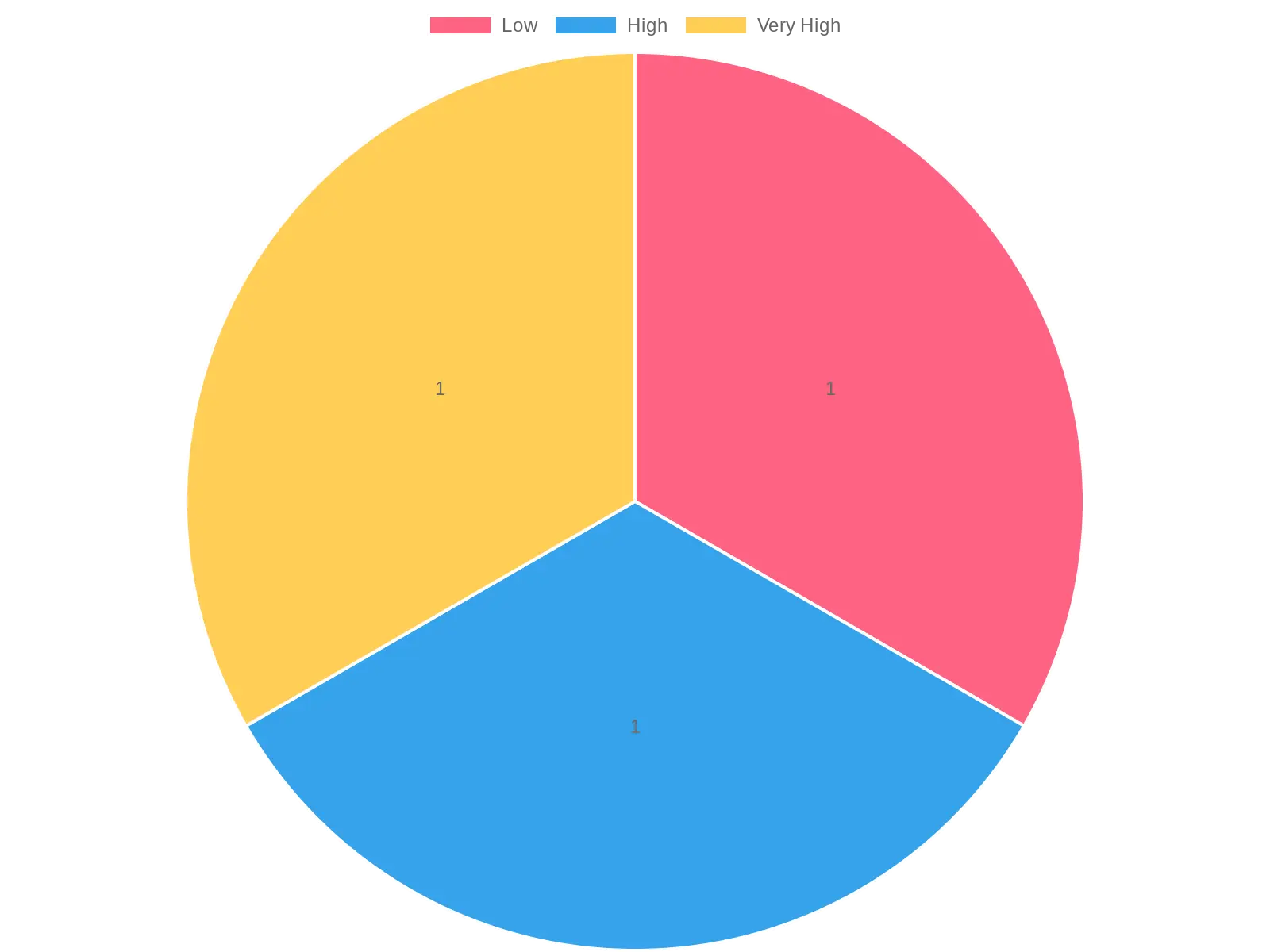
Understanding peak shopping times at Sam’s Club can significantly benefit business owners, allowing them to plan inventory runs more effectively. From studies, we find that customer traffic levels vary throughout the week. Here’s a breakdown of the best and worst times to shop:
| Time Period | Customer Traffic Level | Notes |
|---|---|---|
| Weekdays before 10:00 AM | Low | Minimal customer traffic; ideal for inventory runs. |
| Weekdays after 6:00 PM | High | Increased traffic due to post-work shopping; avoid for inventory. |
| Saturdays 10:00 AM – 2:00 PM | Very High | Peak shopping hours; busiest time of the week; avoid for inventory. |
This data highlights that weekdays before 10 AM are optimal for inventory checks, whereas weekends, especially Saturday lunchtime, see the highest customer traffic. For more tips on navigating busy shopping times, you can learn more about maximizing your experience at Sam’s Club.
Importance of Retail Hours in Customer Satisfaction
Effective retail hours can significantly impact customer satisfaction and business performance. As highlighted by a study from Wharton Knowledge, “If over 60% of customers who leave a store between 8 PM and 10 PM feel encouraged to return, the next day’s sales can be 47% higher than those from stores that did not inspire such feelings.” This stresses the importance of managing retail hours effectively to create a welcoming atmosphere and enhance the customer experience.
(Image showing the impact of retail hours on customer satisfaction)
For business owners, understanding the strategic importance of retail hours is crucial for maximizing customer visits and boosting sales. To discover ways to enhance your experience at Sam’s Club, make sure to learn more about maximizing your experience.
Discovering insights into optimal shopping times can lead to better customer engagement and satisfaction.
Conclusion
Understanding Sam’s Club hours is crucial for business owners looking to strategically plan their inventory purchases and operational needs. With Sam’s Club locations generally open from 9:00 AM to 10:00 PM and some stores extending their hours as early as 7:30 AM and as late as 11:00 PM, businesses have the flexibility to shop whenever it suits them. These extended hours particularly benefit those who operate on flexible schedules, such as contractors and small business owners, allowing them to avoid the traditional rush hours and maintain inventory without disrupting their core business operations.
The availability of services during weekends and holidays ensures that business owners can consistently meet their procurement needs, which is essential for maintaining smooth operations. According to a recent Forbes analysis, these operational hours allow entrepreneurs to stock up without interfering with their regular job hours, leading to improved efficiency in managing scarce resources.
Furthermore, the strategic approach by Sam’s Club to offer extended hours has not only improved foot traffic and customer convenience but has also led to notable growth in memberships. Such insights highlight the importance of maximizing purchasing abilities in terms of timing for business strategy and inventory management. By understanding when they can access necessary supplies, business owners are better equipped to make informed decisions that can positively affect their bottom line.
For further details on how to effectively utilize your membership and make the most of your visits, consider exploring more about optimizing your experience at Sam’s Club and the value it can bring to your business. Understanding Sam’s Club hours not only aids in operational planning but is also integral in fostering better business strategies and enhancing overall efficiency.