
In today’s fast-paced business world, making the right purchasing decisions is more critical than ever, especially when it comes to technology investments like laptops. For business owners shopping at Sam’s Club, understanding the store’s return policy is vital to safeguarding your investments. An unfortunate reality is that not all purchases go smoothly; defects and compatibility issues can arise, leading to the possibility that you may need to return a product. However, navigating the terms of a store’s return policy can be daunting. Does Sam’s Club allow for exceptions? Knowing this could mean the difference between a significant financial loss and a seamless resolution. In this guide, we’ll delve into the intricacies of Sam’s Club’s return policy for laptops, ensuring you’re prepared to make informed decisions without the stress of uncertainty. To make the most of your experience, consider visiting maximizing your experience at Sam’s Club and maximize your value at Sam’s Club.
Sam’s Club Laptop Return Policy: Key Points for Business Owners
Sam’s Club operates with a fairly lenient and customer-friendly return policy, particularly when it comes to electronics such as laptops. This article outlines the essential aspects of their laptop return policy, including standard procedures, exceptions, and critical information for business owners looking to navigate returns effectively.
Standard Return Guidelines
- Return Window: Laptops purchased from Sam’s Club can typically be returned within 90 days of the purchase date.
- Receipt Requirements: Keeping the original receipt is highly advisable as it allows for a hassle-free return. Owners with receipts can expect a full refund upon returning the laptop.
- Returns Without Receipt: If you do not have a receipt, store credit or an exchange option may be available, but this can vary from case to case.
Exceptions to the Policy
- Timeframe: Laptops returned after the 90-day timeframe might not be accepted. It is essential to advise business owners to track their purchases carefully to avoid discrepancies.
- Condition of the Laptop: Returned laptops must be in good condition and ideally in original packaging. All accessories included with the laptop should also be returned, ensuring that components such as chargers are intact.
- Exceptions: Special items, if identified during the purchase, may have different return periods or conditions. It’s always beneficial for business owners to confirm specific product details prior to making a purchase.
Important Notes
- Laptops subjected to repair or modification may see changes in their return eligibility. If a laptop has been personalized or altered in any way, returns might not be permissible.
- The overall policy underlines Sam’s Club commitment to customer satisfaction, emphasizing their 100% Satisfaction Guarantee, which advocates for returns if items do not meet customer expectations, provided they are within the stipulated timeframe.
To further understand how to maximize your experience at Sam’s Club, consider checking out this guide.
Visual Summary
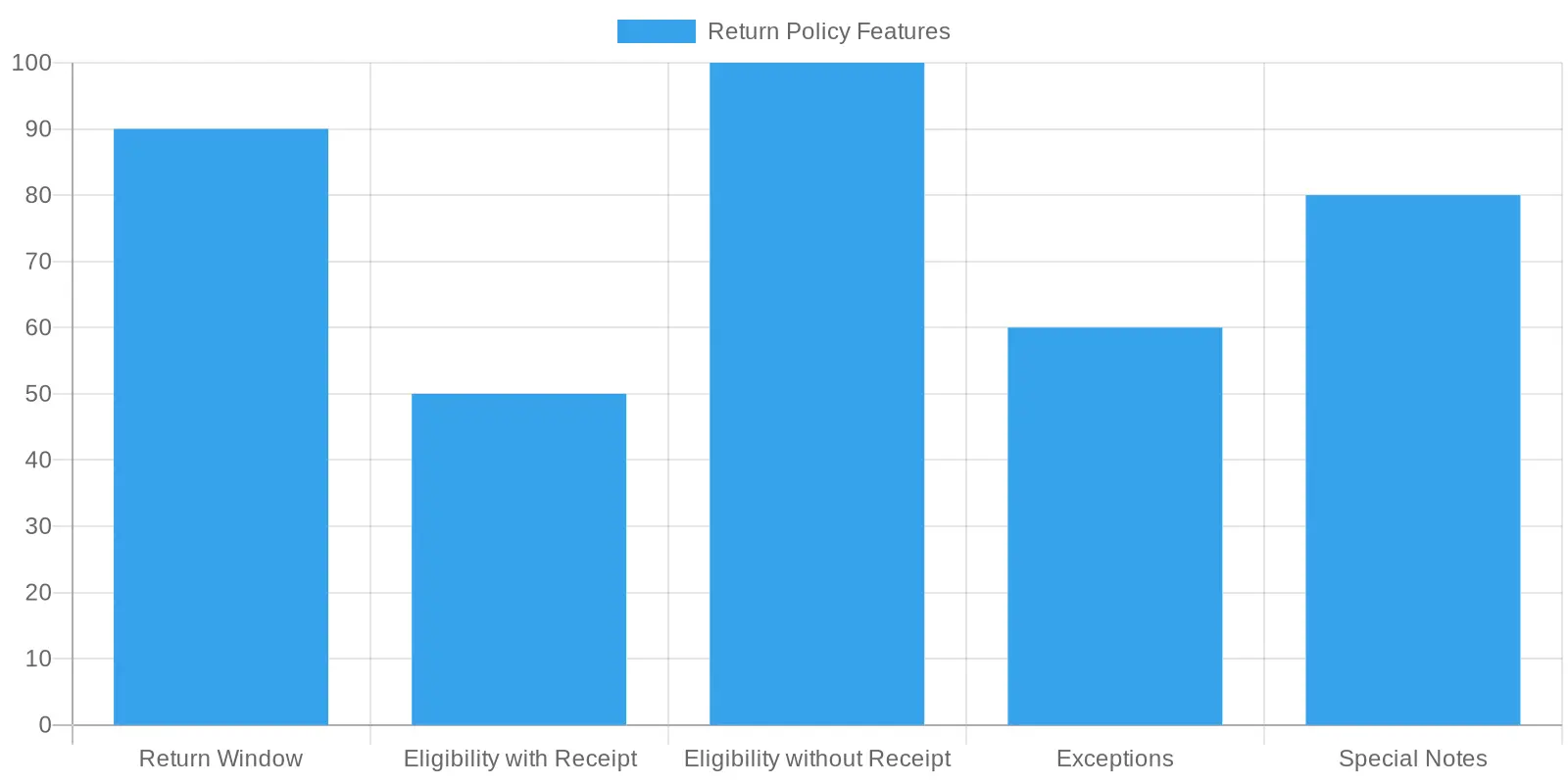
To provide additional clarity, below is a chart summarizing the key features of the laptop return policy:
| Return Policy Feature | Details |
|---|---|
| Return Window | 90 days |
| Eligibility with Receipt | Full refund |
| Eligibility without Receipt | Store credit or exchange may be offered |
| Exceptions | Laptops returned after 90 days may not be accepted; items must be in original packaging |
| Special Notes | All accessories must be included for returns |
This summary should help guide business owners to make informed decisions about purchasing and returning laptops at Sam’s Club. By understanding the essential policies and adhering to them, you can ensure smooth transactions with minimal frustration.
Common Exceptions to Return Policies for Laptops at Sam’s Club
Navigating return policies is crucial for business owners, especially when purchasing significant items like laptops from retailers such as Sam’s Club. Understanding the exceptions to these policies can save time, money, and hassle. Here’s what you need to know:
Typical Exceptions
-
Return Window: Generally, laptops and other electronics purchased at Sam’s Club must be returned within 90 days of purchase. This timeframe is essential for business owners to consider when making a decision to return a faulty or unsatisfactory product.
-
Condition of Laptop: The laptop must be returned in its original condition with all accessories (like power cords, manuals, etc.) included. If the item shows excessive wear or has been damaged, this could result in denial of the return.
-
Restocking Fees: Depending on the circumstance, there might be a restocking fee charged on opened laptops. Business owners should be aware that this fee can cut into their finances if they are not satisfied with their purchase.
-
Defective Products: If a laptop is defective, it may have different handling compared to standard returns. Retailers sometimes expedite the return process for defective items to ensure customer satisfaction, especially crucial for business operations.
-
Membership Requirement: To return an item, you need to be a member of Sam’s Club, which might not be a constraint for all businesses, but it’s vital to keep this in mind for larger corporate purchases involving multiple units.
Importance for Business Owners
For business owners, understanding these exceptions is vital to making informed purchasing decisions. Being aware of the return policies can streamline operational efficiency and avoid unnecessary disruptions caused by returning unsuitable products. If you want to maximize your shopping experience at Sam’s Club, consider reviewing tips to maximize your experience.
For more detailed guidance, it’s recommended to contact Sam’s Club customer service or check their official website for any updates regarding their return policy.
Comparing Return Policies for Laptops at Major Retailers
When purchasing a laptop, it’s essential to understand the return policies of different retailers. Here’s a comprehensive comparison of return policies at Sam’s Club, Best Buy, and Walmart, focusing on aspects like time frames, restocking fees, and exceptions.
| Retailer | Return Time Frame | Restocking Fees | Exceptions |
|---|---|---|---|
| Sam’s Club | 90 days | None | Membership required; exceptions may apply typically for damaged items or special orders. |
| Best Buy | 15 days | 15% on opened items | Items must be in like-new condition with accessories; holiday gift returns allowed without price information. |
| Walmart | 30 days | None | Requires detailed receipt for electronics; certain clearance items may have different terms. |
This table highlights important aspects to consider when returning laptops, ensuring business owners can make informed decisions. For more insights into making the most of your Sam’s Club experience, learn more about maximizing your experience.
Understanding these policies is crucial for business owners who rely on laptops to manage their operations effectively.

Tips for Business Owners on Navigating Return Policies for Laptops
Navigating return policies can be a complex task, especially when it comes to purchasing expensive technology like laptops. Here are some actionable tips for business owners to ensure a smoother experience:
-
Know the Retailer’s Policy: Before making a purchase, research the return policy of the retailer. For example, Sam’s Club generally has specific guidelines regarding returns that can vary by product.
-
Keep all Packaging: Ensure that all original packaging, accessories, and manuals are kept intact. This makes it easier to return items in the future.
-
Document Everything: Take notes about your purchase, including receipt information and any warranty details. This documentation can support your case if negotiation becomes necessary.
-
Ask About Flexibility: When purchasing, inquire whether the retailer offers any flexibility on their standard return policy, especially for business purchases. Many retailers are open to discussing exceptions.
-
Understand Warranty Options: Besides return policies, ensure you fully understand the warranty options available. This can provide more security on your investment in case of defects.
-
Use Customer Service: If a return becomes necessary, talk to customer service or a manager and explain your situation. Building rapport can sometimes lead to leniency in return policies.
-
Consider Store Credit: If exchanging is challenging, consider asking for store credit as an alternative, providing more flexibility for future purchases.
-
Stay Informed: Regularly check updates on return policies, as businesses may adjust them periodically. Following updates can help you plan better.
-
Leverage Membership Benefits: If you’re a member of a retailer like Sam’s Club, utilize your membership benefits which may include extended return windows or more lenient policies for business purchases.
Following these tips can help business owners navigate return policies effectively, making the purchasing process smoother and less stressful. For more about maximizing your benefits at Sam’s Club, visit this link.
Introduction
In today’s fast-paced retail environment, having a solid return policy is crucial for maintaining customer loyalty and satisfaction. Sam’s Club is known for its customer-oriented approach, but what happens when a business owner runs into challenges while navigating the return process? This case study details a hypothetical scenario involving a laptop return at Sam’s Club, highlighting the obstacles faced and how they were overcome.
The Scenario
Rebecca, a small business owner, purchased a laptop from Sam’s Club to manage her bookkeeping and client communications. Shortly after the purchase, she noticed that the laptop was defective. As a busy entrepreneur, Rebecca relied heavily on this laptop, and the malfunction was significantly disrupting her workflow. Understanding that Sam’s Club has a reputation for handling returns efficiently, she decided to return the laptop, hoping for a smooth process.
The Challenges
Upon arriving at Sam’s Club, Rebecca encountered the first hurdle: she had misplaced the original packaging. Sam’s Club’s typical return policy allows for returns within 90 days for electronics but stipulates that items should include all original packaging and accessories. This policy posed a challenge for Rebecca as she had discarded the packaging after setting up the laptop.
Moreover, Rebecca faced a long line at the customer service desk, which added to her frustration and anxiety. After waiting over 30 minutes, she finally approached a representative, who was courteous but reiterated the policy regarding the packaging.
The Resolution
Despite her initial disappointment, Rebecca remained composed and explained her situation to the representative, citing her situation as a business owner who needed to resolve the issue promptly. The representative, understanding the importance of customer satisfaction and armed with discretion to make exceptions, suggested that they could offer an exchange for the defective laptop, provided that Rebecca could demonstrate that it was indeed faulty.
Rebecca had the laptop on hand and was able to show the issues she was experiencing. After a quick troubleshooting session, which confirmed the laptop’s defect, the representative agreed to proceed with an exchange without the original packaging. As a result, Rebecca walked away with a new laptop-this time fully functional-thus recovering her productivity.
Conclusion
Rebecca’s experience offers valuable lessons for business owners regarding return policies:
- Know the Policies: Familiarizing oneself with the store’s return policies can prepare you for potential challenges.
- Effective Communication: Speaking respectfully to customer service can often yield positive results, especially when explaining the urgency of your situation.
- Demonstrate the Problem: If you encounter obstacles, being able to show proof of a defect can significantly strengthen your case for an exception.
For more insights on optimizing your shopping experience at Sam’s Club, be sure to check out this guide on maximizing your purchasing power as a business owner.
By applying these strategies, business owners can navigate return policies effectively, ensuring their needs are met without sacrificing valuable time and resources.
The Importance of Return Policies in Business
Return policies are not just a formality; they are a crucial aspect of customer service that can significantly impact a business’s bottom line. A well-structured return policy can enhance customer trust and promote loyalty, while a poor return experience can drive customers away.
“Clear return policies play a significant role in improving customer satisfaction, which is pivotal for retention and loyalty, allowing customers to feel secure when making purchases.”
Many businesses, including warehouse clubs like Sam’s Club, often face inquiries about whether exceptions can be made to their return policies for specific products-like laptops-especially considering the varied circumstances surrounding such returns. Understanding the implications of your return policy can provide clarity not only for customers but for businesses looking to maintain a good reputation in a competitive market.
To explore how to make the most of your membership with Sam’s Club, learn more about maximizing your value at Sam’s Club.
Conclusion
In conclusion, understanding the return policy exceptions at Sam’s Club, especially concerning laptops, is essential for informed shopping. While Sam’s Club generally upholds a strict return policy to maintain fairness and streamline operations, exceptions do exist, particularly for members who can articulate their situations clearly. Business owners, in particular, can benefit significantly from being well-versed in these policies, enabling them to make better purchasing choices for their companies.
Here are a few key takeaways:
- General Return Policy: Items must typically be returned within a specific time frame with a receipt to qualify for a refund.
- Exceptions for Electronics: High-ticket items like laptops may have more stringent rules, but exceptions can be made depending on the circumstances.
- Member Engagement: Engaging with customer service representatives can lead to alternative outcomes, emphasizing the importance of communication.
As consumers, it’s crucial to stay informed about retail policies to ensure a smooth purchasing experience. By understanding the nuances of Sam’s Club’s return policy, you can safeguard your investments and enhance your shopping experience. For more tips on getting the most out of your membership, feel free to maximize your experience at Sam’s Club and learn how to maximize your value while shopping.
Customer Satisfaction Ratings on Return Policies
Customer satisfaction can often hinge on a retailer’s return policy. A recent survey across various retailers revealed significant differences in consumer satisfaction levels concerning return policies. The data indicates how Sam’s Club measures up against major competitors like Amazon, Walmart, Target, and Best Buy.
Chart Overview
Here’s a visual representation of the customer satisfaction ratings regarding the return policies of various retailers, based on the most recent data:
Retailer Comparison
| Retailer | Customer Satisfaction Rating (Return Policy) | Year |
|---|---|---|
| Sam’s Club | 85% | 2023 |
| Amazon | 92% | 2023 |
| Walmart | 78% | 2023 |
| Target | 88% | 2023 |
| Best Buy | 82% | 2023 |
Overall, it’s clear that while Sam’s Club presents a competitive return policy satisfaction rate, there is still room for improvement, especially compared to Amazon and Target, which lead in consumer satisfaction. To maximize customer satisfaction and potentially enhance return policies, retailers like Sam’s Club can implement strategies that focus on consumer needs and preferences.
For more on maximizing benefits at Sam’s Club, be sure to learn more about maximizing your experience at Sam’s Club.