In today’s competitive marketplace, understanding the diverse payment options available can significantly impact your business’s success. One often-overlooked element is the acceptance of Electronic Benefits Transfer (EBT) at Sam’s Club-a key player in the wholesale retail sector. For business owners, accepting EBT not only broadens your customer base to include food assistance recipients but also enhances customer loyalty through inclusive shopping options. Embracing EBT can lead to substantial savings on bulk purchases, allowing businesses to manage expenses more effectively. Furthermore, by strategizing around EBT acceptance at Sam’s Club, like maximizing your experience and value, you can unlock further operational efficiencies. Let’s explore how the intersection of EBT and Sam’s Club can transform your purchasing strategy and contribute more to your bottom line.
EBT Overview
Electronic Benefits Transfer (EBT) is a government system that facilitates the delivery of public assistance benefits through smart cards, similar to debit cards. This system primarily serves individuals and families enrolled in assistance programs such as the Supplemental Nutrition Assistance Program (SNAP). With EBT, eligible recipients can purchase food and groceries from participating retailers without handling cash.
How EBT Works
EBT cards are issued to beneficiaries by state governments, allowing them to access their benefits electronically. When a recipient goes to a store, they can use their EBT card at the checkout similar to a debit card, selecting the amount of benefits to apply toward their purchase. Retailers must have an EBT processing system in place, which requires registration with the state government and adherence to specific guidelines regarding eligible items for purchase.
Implications for Businesses
-
Expanded Customer Base: Accepting EBT can significantly increase a retailer’s customer base, attracting shoppers who rely on government assistance for their grocery needs. Many low-income households depend on SNAP benefits, making EBT acceptance a strategic move to enhance customer reach and revenue.
-
Increased Sales: Studies indicate that businesses, particularly supermarkets and grocery stores, often report increased sales after implementing EBT acceptance. This is primarily due to the influx of customers utilizing EBT cards, which allows them to purchase necessary items within defined budgets.
-
Compliance Requirements: Retailers interested in accepting EBT must meet specific compliance requirements. This includes ensuring that they exclusively offer SNAP-eligible items, which can be a limiting factor for some businesses, especially those selling alcohol, tobacco, or non-food items.
-
Transaction Fees: While payment through EBT reduces the risk of fraud associated with cash transactions, retailers should also consider the transaction fees related to EBT processing. These fees can vary and may influence how a business incorporates EBT into its financial transactions.
-
Economic Support: EBT not only improves efficiency in benefit delivery but also plays a significant role in supporting local economies by encouraging spending in community grocery stores and supermarkets.
For more on maximizing your business when accepting EBT, visit this guide. Moreover, leveraging the growth brought about by EBT acceptance can help you not only serve the community better but also enhance your business’s financial outlook.
In conclusion, understanding how EBT works and its implications is vital for any business aiming to tap into new customer segments while promoting social responsibility through inclusion. Businesses that adapt accordingly can reap the benefits of accepting this essential form of government assistance.
Eligibility Requirements for EBT Acceptance at Sam’s Club
Business owners interested in accepting Electronic Benefits Transfer (EBT) at Sam’s Club must meet certain eligibility requirements. Understanding these criteria is crucial in navigating the application process smoothly. Here’s a guide outlining the primary requirements:
1. Business Registration
- State Registration: First and foremost, your business must be properly registered in the state where it operates. This ensures compliance with local laws and regulations.
2. USDA Compliance
- Adherence to Federal Regulations: Businesses must comply with the guidelines set forth by the United States Department of Agriculture (USDA). This includes understanding the specifics of the Supplemental Nutrition Assistance Program (SNAP) regulations, which govern EBT acceptance.
3. Product Eligibility
- Sales of Approved Products: Only specific food items can be purchased using EBT, meaning businesses must ensure that their inventory includes eligible items. Typically, these include basic groceries and certain food items; however, non-food items or prepared foods may not qualify.
4. Point of Sale System
- EBT Compatible Systems: To facilitate EBT transactions effectively, a Point of Sale (POS) system compatible with EBT transactions is required. This may involve upgrading existing equipment to ensure that it can process EBT payments.
Application Process
Once you have ensured that your business meets the requirements outlined above, the next steps generally include:
- Filling out an EBT application which is often linked to the SNAP program. Business owners may need to submit details regarding their operations and ensure that any necessary training for staff on handling EBT transactions is in place.
- Regular Compliance: Maintain compliance with USDA regulations, and ensure that you remain updated on changes to EBT rules or policies.
In conclusion, while the process of obtaining EBT acceptance at Sam’s Club might seem complex, it reduces down to meeting these vital criteria. For detailed guidance and further information on managing your business with EBT, consider checking the food stamp acceptance guidelines or explore ways to maximize your shopping experience.
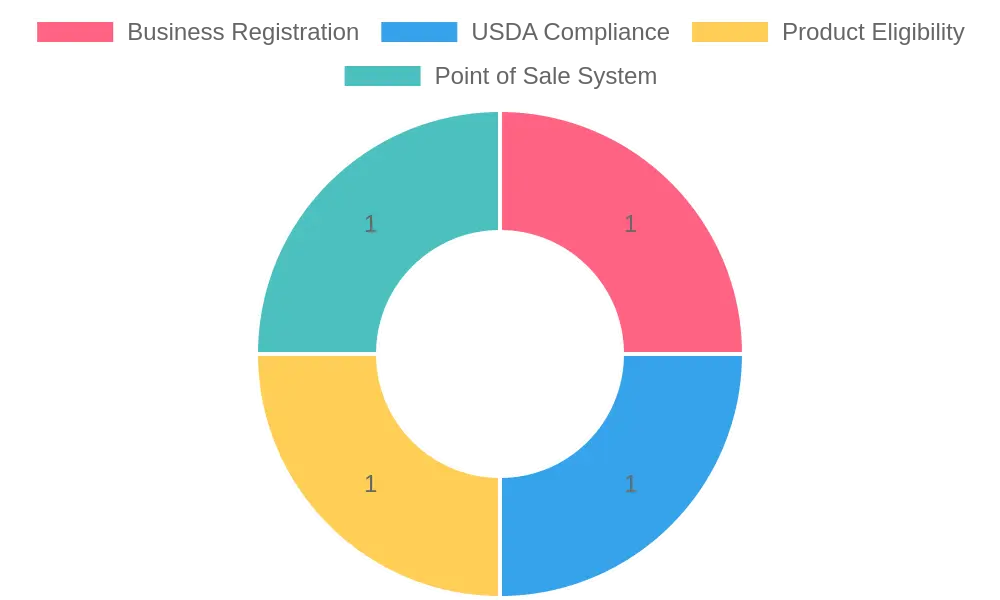
This chart summarizes the eligibility requirements for accepting EBT at Sam’s Club, helping you visualize what to focus on as you navigate the application process.
EBT Acceptance at Grocery Stores
Here’s a comparison table detailing which grocery stores accept EBT, their acceptance process, and any benefits they offer:
| Grocery Store | Acceptance Process | Benefits Offered |
|---|---|---|
| Walmart | In-store & online | Wide range of SNAP-eligible products |
| Amazon Fresh | Online only | Delivery of SNAP-eligible groceries |
| Kroger | In-store & online | Loyalty points and special offers |
| Aldi | In-store only | Low prices on eligible food |
| Target | In-store and online | Various promotional discounts for EBT users |
| Smith’s Food & Drug | In-store & online shopping | Weekly discounts and promotions on groceries |
Conclusion
These grocery stores not only accept EBT but also provide various benefits to customers using their EBT cards. Utilizing these options can help customers maximize their food purchasing power. For more tips on getting the most out of your shopping experience, check our guide on maximizing your experience at Sam’s Club.
Benefits of Using EBT at Sam’s Club for Businesses
Accepting EBT (Electronic Benefits Transfer) at Sam’s Club can yield numerous advantages for businesses. Here are some key benefits:
-
Increased Customer Base: By accepting EBT, businesses attract a larger pool of customers, including those who rely on government assistance. This is especially relevant for food retailers, as many EBT users are looking for affordable and nutritious food options.
-
Guaranteed Sales: Every month, millions of dollars in SNAP (Supplemental Nutrition Assistance Program) benefits are distributed. Retailers that accept EBT can tap into this guaranteed income stream, effectively boosting their sales in a consistent manner learn more about SNAP.
-
Community Support and Engagement: Accepting EBT fosters goodwill in the community, as businesses become part of the solution to food insecurity. This engagement can enhance the business’s reputation and build customer loyalty.
-
Increased Foot Traffic: When businesses accept EBT, especially in lower-income neighborhoods, it attracts more foot traffic, leading to additional sales from other customers who may also shop at the store find out how to maximize your experience.
-
Support for Nutrition Initiatives: Accepting EBT helps to ensure that low-income families have access to healthier food options. This is beneficial not only for public health but also enhances a retailer’s commitment to social responsibility.
-
Competitive Edge: In areas where a significant number of consumers rely on EBT, businesses that provide this payment option may gain a competitive advantage over those that do not, potentially increasing market share and brand loyalty.
-
Diverse Product Offerings: Retailers can tailor their inventory to include products that EBT users want, giving them an opportunity to diversify their offerings and meet community needs effectively.
By embracing EBT, businesses at Sam’s Club can not only enhance their profitability but also contribute positively to their local communities. This dual benefit fosters a sustainable environment for retail growth and social welfare.
“After we started accepting EBT at Sam’s Club, we saw a significant increase in sales. It opened up our store to new customers who were eager to shop with us. We are committed to providing excellent value to everyone, and accepting EBT has truly made a difference in our business.”
- Jessica, Small Business Owner at Sam’s Club
To explore more ways to maximize your experience at Sam’s Club, learn more here.
There are several misconceptions regarding Electronic Benefit Transfer (EBT) acceptance that can prevent business owners from participating in this valuable program. Understanding these myths is essential for fostering community support and enhancing business opportunities.
Myth 1: EBT is Only for Food Purchases
One common misconception is that EBT can only be used to purchase food. While this is true for the Supplemental Nutrition Assistance Program (SNAP), EBT can be utilized for other programs that may cover a broader range of essentials, such as housing and medical supplies. This limited perspective can deter businesses from accepting EBT, missing out on a broader customer base that requires diverse services.
Myth 2: EBT Transactions are Complicated and Time-Consuming
Many business owners believe that processing EBT transactions is more complicated than traditional payments. In reality, EBT transactions are straightforward and similar to credit or debit card transactions. With modern point-of-sale systems, accepting EBT is seamless. Participating in the program can enhance the customer experience without adding significant operational hurdles.
Myth 3: Acceptance of EBT Will Be Costly
Some business owners fear that accepting EBT will lead to increased costs. However, there are typically no fees associated with accepting EBT, and the potential increase in customer numbers can more than offset any minor operational adjustments. Additionally, programs exist to assist businesses in covering any initial setup costs.
Myth 4: EBT Customers Are Not Valuable
A pervasive myth is that customers using EBT are not valuable, leading to an underestimation of their purchasing power. In fact, individuals and families relying on EBT contribute significantly to the economy. By accepting EBT, businesses can tap into this market, fostering community loyalty and generating consistent sales.
Conclusion: The Importance of Community Support
Accepting EBT is not just a business decision; it’s a community-focused choice. Businesses that embrace EBT acceptance can play a pivotal role in supporting local families and enhancing their communities’ economic vitality. By welcoming customers who rely on government assistance, businesses help improve food security and promote healthier options, ultimately encouraging local growth.
For more insight on making the most of your offerings at Sam’s Club, check out our guide on maximizing your value at Sam’s Club and learn how EBT fits into your business strategy by reading about EBT transactions at Sam’s Club.
This information dispels common misconceptions, encouraging business owners to embrace EBT acceptance as both a sound economic decision and a contribution to community well-being.
Frequently Asked Questions (FAQ) about Using EBT at Sam’s Club
1. Can business owners use EBT at Sam’s Club?
Yes, business owners can use EBT to purchase eligible food items at Sam’s Club. However, EBT is primarily intended for personal use, and certain restrictions apply to business purchases. Be sure to check the specific items that can be purchased using EBT as outlined by Sam’s Club’s policies.
2. What items can be purchased with EBT at Sam’s Club?
EBT can only be used for eligible food items, including:
- Groceries
- Dairy products
- Produce
- Meat
- Non-alcoholic beverages
However, items like prepared meals, hot foods, and non-food items cannot be purchased with EBT.
3. How do I know if an item is eligible for purchase with EBT?
To determine if an item is eligible for EBT, you can check the product’s label in the store or inquire with a cashier. You can also refer to Sam’s Club’s official guidelines on EBT usage here.
4. Are there any fees associated with using EBT at Sam’s Club?
No, there are typically no additional fees for using EBT at Sam’s Club; however, members must pay close attention to the items being purchased to ensure they are compliant with EBT rules.
5. Does Sam’s Club accept EBT for business accounts?
Currently, EBT can be used primarily for personal grocery purchases. It may not be suitable for some bulk business orders or certain non-eligible products. Business owners should contact Sam’s Club for specific inquiries to ensure compliance with their policies.
6. Where can I get more information about using EBT at Sam’s Club?
For more detailed information on using EBT, you can visit Sam’s Club’s official FAQ page.
Conclusion
Using EBT at Sam’s Club can be beneficial for purchasing groceries. However, business owners should be aware of the limitations and regulations surrounding the use of EBT in a business context. For the most accurate and current information, always consult directly with the management at Sam’s Club.
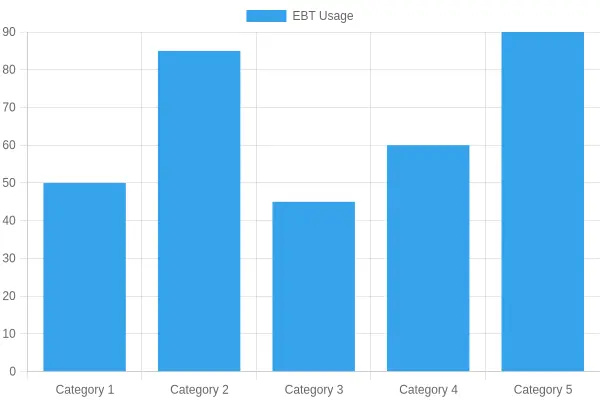
Understanding EBT usage at Sam’s Club
Conclusion: Embrace the Benefits of Accepting EBT at Sam’s Club
As a business owner, you are always looking for innovative ways to enhance customer experience and expand your market reach. Accepting EBT (Electronic Benefits Transfer) at Sam’s Club opens up a world of opportunities-not only for your business but also for the community you serve. By accepting EBT, you can make your products more accessible to a broader customer base, including those who rely on government assistance for their grocery needs. This not only increases your sales but also establishes your commitment to corporate responsibility and social equity.
Additionally, when you partner with Sam’s Club, you can enjoy competitive pricing on bulk goods, enabling you to maintain your profit margins while passing savings onto your customers. The ease of managing EBT transactions at Sam’s Club enhances operational efficiency, allowing you to focus more on growing your business.
If you’re interested in exploring how accepting EBT can benefit your business, I encourage you to reach out for further information or assistance. You can start by visiting the maximizing your experience at Sam’s Club page for insights and tips.
Don’t miss the chance to elevate your business and contribute positively to your community by making EBT an option for your customers at Sam’s Club!