
In today’s competitive marketplace, business owners must stay ahead of the curve, continually exploring innovative ways to enhance profits and reach diverse consumer bases. One often-overlooked advantage in this pursuit is the acceptance of food stamps, specifically through programs like SNAP (Supplemental Nutrition Assistance Program). As a major player in the retail landscape, Sam’s Club has embraced this opportunity by accepting EBT (Electronic Benefit Transfer) cards, effectively opening its doors to millions of consumers who rely on government assistance for their grocery needs. This strategy not only increases foot traffic but also positions Sam’s Club as an inclusive option for families seeking affordability without sacrificing quality. For business owners leveraging this information, understanding how Sam’s Club maximizes its value through EBT acceptance could provide key insights into enhancing customer engagement and loyalty. To dive deeper into how to maximize your experience at Sam’s Club and benefit from its services, let’s explore the ins and outs of their EBT transactions further.
Key Points About Food Stamp Use at Sam’s Club
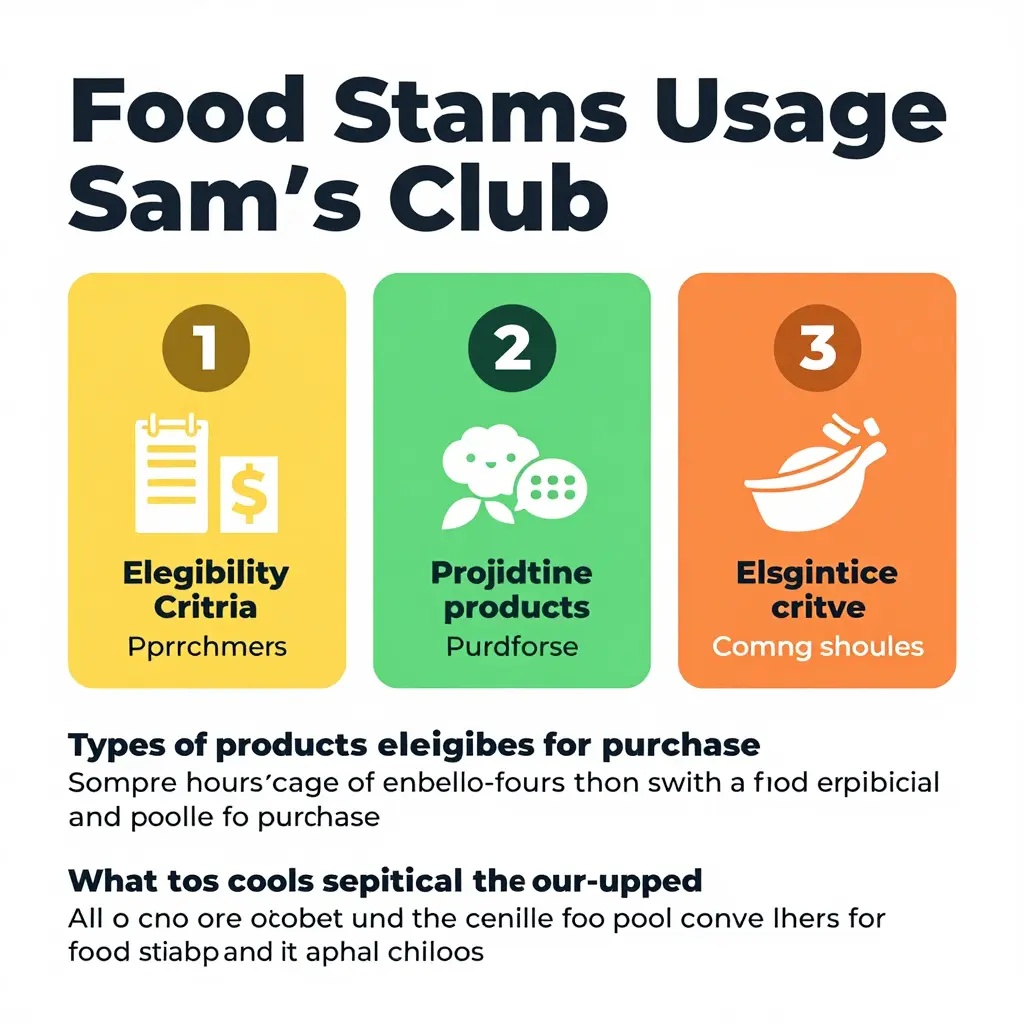
For business owners considering the implications of food stamp (SNAP) usage at Sam’s Club, understanding the framework is crucial. Below are the key points detailing SNAP eligibility, eligible products, and specific policies.
SNAP Eligibility Criteria
To qualify for SNAP benefits, various criteria must be met:
- Income Limits: For 2023, the gross monthly income limits are:
- 1 person: $1,480
- 2 people: $1,984
- 3 people: $2,495
- 4 people: $3,007
- 5 people: $3,518
- Resource Limits: Households typically have a resource limit of $2,250 (or $3,250 if one member is 60 or older or disabled).
- Citizenship Requirements: Applicants must meet citizenship or qualified non-citizen status requirements and be able to work unless exempted by law. Learn more about SNAP eligibility.
Eligible Products for Purchase
SNAP benefits allow users to purchase a wide range of food items, including:
- Fresh or Frozen Produce: Fruits and vegetables
- Proteins: Meat, poultry, and fish
- Dairy Products: Milk, cheese, yogurt
- Grains: Bread and cereals
- Prepared Foods: Select ready-to-eat items (e.g., hot dogs, sandwiches, pizzas) are allowable in specific programs.
However, SNAP benefits cannot be used for:
- Alcoholic beverages and tobacco products
- Non-food items like pet food, cleaning supplies, or personal care products.
For a detailed list, refer to the USDA SNAP eligible food items.
Sam’s Club Policies on Food Stamps
- EBT Transactions: Sam’s Club accepts EBT cards, allowing eligible SNAP beneficiaries to shop with their benefits.
- Restrictions on Bulk Purchases: Business owners should note that certain restrictions may apply regarding bulk purchases utilizing food stamps. It’s essential to check with Sam’s Club’s local branch for specific guidance.
- In-Store and Online Limits: Although Sam’s Club accepts SNAP payments, certain limitations may apply to online orders. Always verify if specific restrictions exist regarding product variety or quantity.
Understanding the SNAP framework provides business owners with valuable insights into consumer purchasing power and customer demographics at Sam’s Club. To maximize understanding of SNAP benefits, consider maximizing your shopping experience at Sam’s Club.
The Importance of Accepting Food Stamps for Business Owners
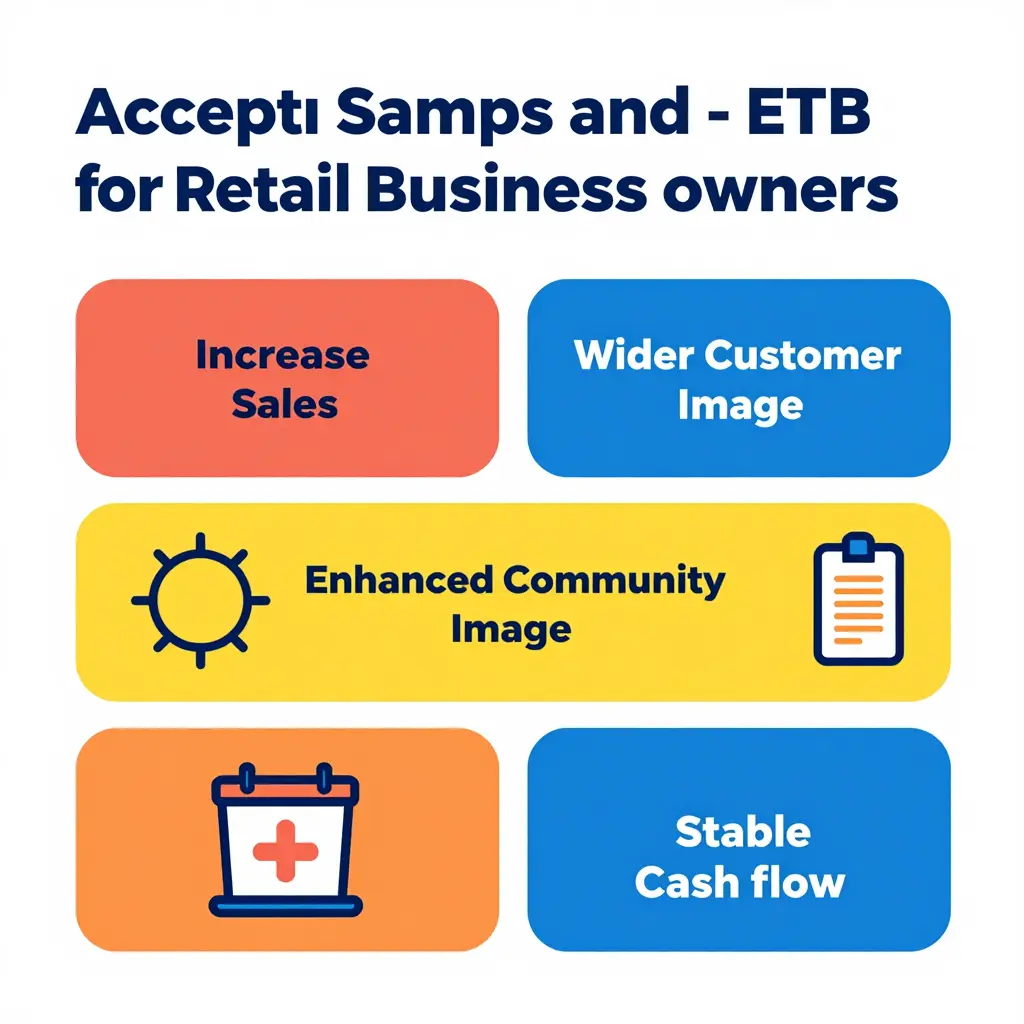
Accepting food stamps, or Supplemental Nutrition Assistance Program (SNAP) benefits, can significantly benefit business owners by increasing sales, attracting a broader customer base, and supporting the welfare of the community.
Increase in Sales
One of the primary advantages of accepting food stamps is the potential for increased sales. According to the U.S. Department of Agriculture, businesses that participate in SNAP often see a boost in revenue as they attract customers who rely on food assistance. This influx of customers can lead to higher sales volumes, especially during peak shopping hours when low-income families are more likely to shop.
Attracting a Broader Customer Base
By accepting food stamps, businesses can widen their customer demographic significantly. The National Grocers Association reports that nearly half of all SNAP recipients tend to shop at local grocery stores and convenience stores. This means that accepting food stamps positions businesses to effectively market to low-income households, thereby fostering customer loyalty and increasing foot traffic. The trust built within the community enhances customer relationships and promotes brand loyalty.
Supporting Community Welfare
Furthermore, accepting food stamps can enhance a business’s image as a community-focused enterprise. Supporting SNAP not only helps local families gain access to nutritious food but also contributes to the overall welfare of the community. Businesses that engage in socially responsible practices are often viewed more favorably by consumers, leading to an improved reputation and potentially boosted sales over time.
By offering inclusive services such as accepting food stamps, business owners can not only fulfill a critical need in their communities but also position themselves competitively within the market. This practice not only reflects solidarity but also demonstrates a commitment to promoting social welfare, thereby attracting more customers in the long run.
In summary, the decision to accept food stamps is a strategic move for business owners looking to increase their market reach and contribute positively to their communities. Engaging with programs that support low-income families solidifies a business’s role in community development and helps ensure long-term success.
Comparing Food Stamp Acceptance at Retailers
For those looking to understand how different retailers accept food stamps (SNAP benefits), here’s a comparative overview of Sam’s Club, Walmart, and Target:
| Retailer | Food Stamp Acceptance | Eligible Products | Geographical Reach |
|---|---|---|---|
| Sam’s Club | Accepts EBT/SNAP for eligible food items only. | Fresh fruits, vegetables, meats, dairy, baked goods. | Over 800 locations in the US, primarily in urban areas. Learn more about Sam’s Club membership |
| Walmart | Accepts EBT/SNAP at all locations and online. | Grocery items, including meat, dairy, snacks. | Nationwide with thousands of stores across the US. Check out Walmart’s SNAP policies |
| Target | Accepts EBT/SNAP for in-store and online. | Groceries, snacks, beverages; non-alcoholic drinks. | All US locations, expanding online shopping options. Discover more about Target’s EBT acceptance |
This table highlights the food stamp acceptance policies across these major retailers, including specific product eligibility and their geographical distribution, which is crucial information for business owners considering these options for their customers.
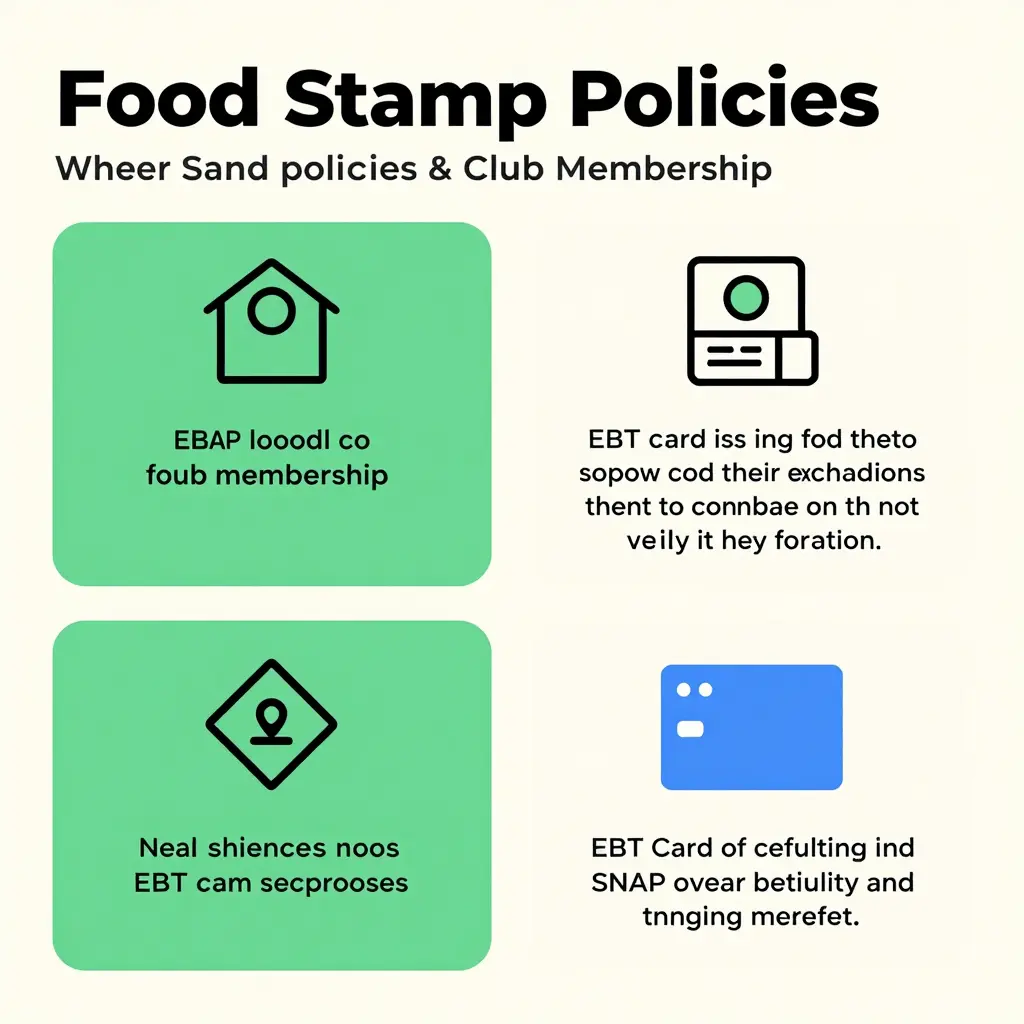
Understanding Food Stamp Policies and Their Relevance to Retail Memberships
Navigating the complexities of food stamp policies, specifically under the Supplemental Nutrition Assistance Program (SNAP), is crucial for retail businesses, particularly those operating on a membership basis like Sam’s Club. In recent years, government regulations surrounding food stamps have evolved, impacting how retailers interact with customers who rely on these benefits. This article will summarize the current regulations on food stamp policies and explore their application in retail settings, especially club memberships.
Current Food Stamp Regulations
As of 2024, the Supplemental Nutrition Assistance Program (SNAP), overseen by the USDA Food and Nutrition Service, allows beneficiaries to use their Electronic Benefit Transfer (EBT) cards at authorized retailers, which includes major warehouse clubs like Sam’s Club. Here are the key highlights of these regulations:
- Eligible Purchases: SNAP benefits can only be used to purchase eligible food items, excluding non-food products such as household supplies or personal care items.
- Membership Fees: Although Sam’s Club accepts EBT cards for food purchases, the benefits cannot be applied towards membership fees. Beneficiaries must pay for their membership out of pocket, ensuring that only genuine shoppers with membership can use their EBT cards for eligible food items.
- Entry Requirements: Retailers may have specific entry requirements (like membership or access fees), which customers must adhere to. This means that even when using EBT cards for groceries, customers must meet the club’s own stipulations for entry.
According to recent articles from trusted sources, these policies apply consistently across all Sam’s Club locations, underlining the importance of compliance for business owners operating in the retail sector.
How It Affects Business Owners
For business owners at clubs like Sam’s Club, understanding these regulations helps in:
- Ensuring Compliance: It is essential to understand and comply with SNAP guidelines to avoid penalties and foster good relations with customers utilizing EBT.
- Marketing Strategies: Knowing that a significant portion of the community might rely on food stamps can enable targeted marketing strategies that resonate with those customers.
- Enhancing Customer Experience: By clearly communicating the rules surrounding EBT card use and membership fees, retailers can enhance the shopping experience for customers who are utilizing SNAP benefits. For more insights on improving customer experiences, check out how to maximize your shopping experience at Sam’s Club.
Final Thoughts
In conclusion, while Sam’s Club and other membership-based retailers are included in SNAP, nuances in policy, especially concerning membership fees and eligible purchases, can shape customer interactions and business practices. For more information on the operational aspects of membership worth, see this detailed analysis. Retailers should remain vigilant and adapt to these evolving regulations to maximize their benefits while supporting their customer base.
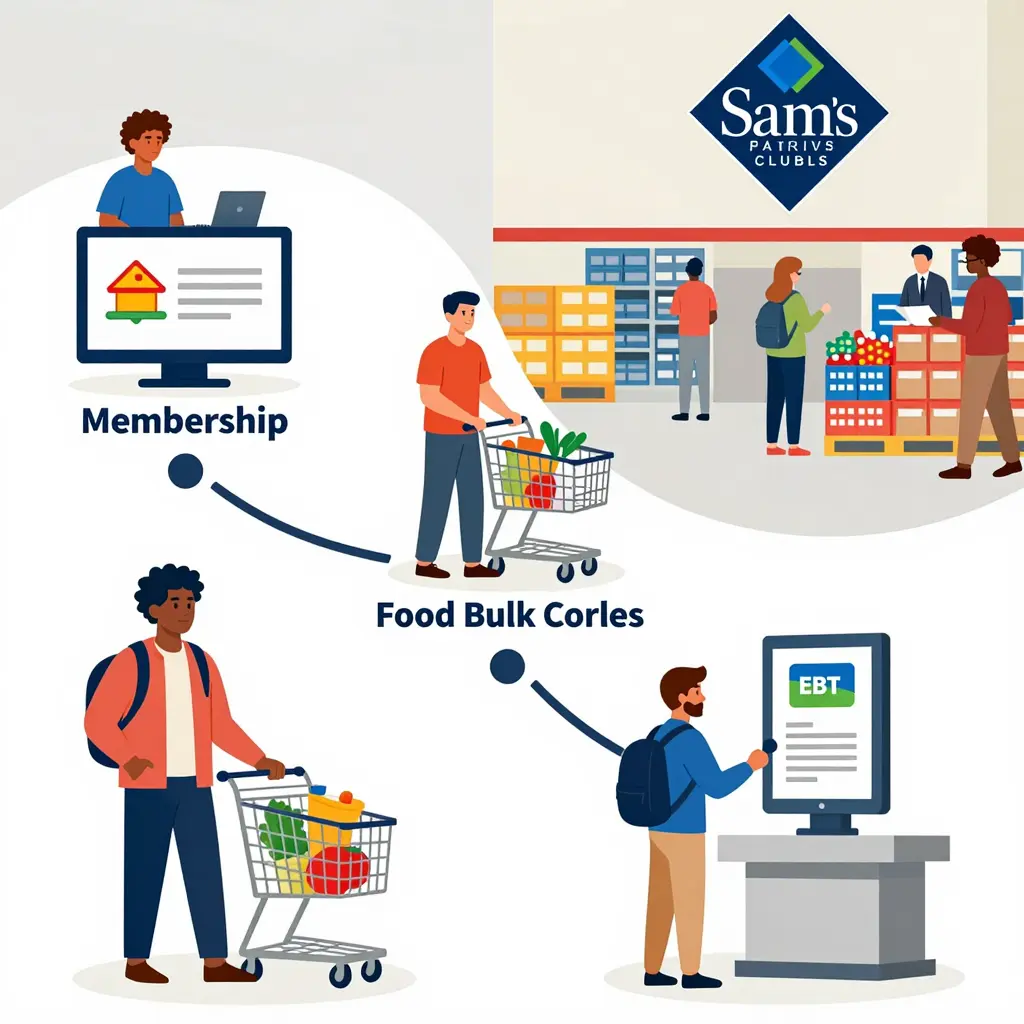
A User Journey: How Food Stamp Users Shop at Sam’s Club
Shopping at Sam’s Club offers a unique experience for individuals using food stamps (Supplemental Nutrition Assistance Program or SNAP) to manage their budget effectively. Here’s a breakdown of a typical shopping journey for these users.
Step 1: Membership Purchase
To shop at Sam’s Club, the first step for food stamp recipients is to purchase a membership. Membership fees can vary, and some might opt for the basic membership, which often starts around $45 annually. It’s an essential investment as it unlocks better pricing on bulk items, making it especially appealing for families looking to maximize their SNAP benefits. Learn more about membership options.
Step 2: Shopping for Eligible Items
Once a membership is obtained, users can begin their shopping journey. Upon arrival, food stamp recipients often utilize shopping lists to focus on purchasing bulk groceries that provide essential nutrients while staying within their budget. Foods like rice, beans, canned goods, and frozen meats are popular choices. Sam’s Club is known for its competitive pricing on these items, allowing users to stretch their benefits further.
Step 3: Using EBT Cards at Checkout
At checkout, food stamp users can pay using their EBT cards. Sam’s Club accepts EBT cards for eligible food items, facilitating a seamless shopping experience. It’s important to note that EBT cards cannot be used for non-food items or online orders that are not for in-store pickup. Users simply swipe their EBT card, select their eligible purchases, and the transaction processes, deducting the total from their SNAP benefits. Discover how to use your EBT card at Sam’s Club.
Conclusion
For many food stamp users, shopping at Sam’s Club allows for significant savings and improved meal planning. The ability to purchase in bulk at reasonable prices makes it an advantageous option for those seeking to maximize their food budget. This user journey illustrates how Sam’s Club not only accommodates food stamp recipients but also enhances their shopping experience.
For further assistance and tips on how to maximize your shopping experience, check out this guide.
Food Stamps and Retail Revenue: Trends over the Years
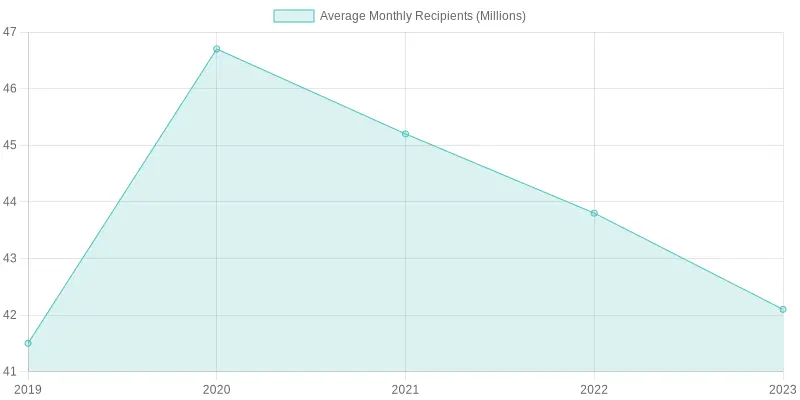
Understanding the impact of food stamp (SNAP) usage on retailers like Sam’s Club is crucial, especially as trends shift over the years. Here’s a chart that visualizes the average monthly recipients of SNAP from 2019 to 2023, along with the implications for store revenue.
Food Stamp Usage Statistics
Below are key statistics on food stamp usage and its impact on retailers:
| Year | Average Monthly Recipients (Millions) | Total Benefits Distributed Annually (Billions USD) | Key Legislative/Policy Changes | Impact on Retailers (e.g., Sam’s Club) |
|---|---|---|---|---|
| 2019 | 41.5 | $68.3 | Trump administration implements work requirements for able-bodied adults without dependents; affects ~750,000 people. | Increased sales of bulk and value-oriented goods; higher foot traffic during benefit disbursement months. |
| 2020 | 46.7 | $75.2 | COVID-19 pandemic triggers emergency SNAP expansion: temporary increase in benefits by 15%. | Surge in demand at warehouse retailers like Sam’s Club; reported 20-30% increase in SNAP-related sales during peak months. |
| 2021 | 45.2 | $74.1 | Emergency pandemic benefits phased out gradually. | Continued strong demand; high volumes of SNAP purchases, especially in urban areas. |
| 2022 | 43.8 | $72.6 | Federal pandemic relief ends without major changes. | Sales remained stable; Sam’s Club observed increased basket sizes among SNAP users. |
| 2023 | 42.1 | $70.8 | New proposals aim to cut spending on SNAP; state-level restrictions reinstated. | Slight decline in volume but stable revenue due to higher per-transaction spending. |
For a more detailed understanding of maximizing SNAP benefits at retailers, you can learn more about maximizing your shopping experience at Sam’s Club. Keep an eye on the potential impact of SNAP reforms on sales and customer traffic in the upcoming years.
Conclusion
In conclusion, the policy of Sam’s Club accepting food stamps and EBT presents significant advantages not only for the customers but also for business owners. By implementing this payment option, retailers can tap into a broader customer base, particularly low-income families who rely on these benefits for their grocery needs. Studies have shown that accepting SNAP can lead to an increase in sales by 15% to 20%, creating a more stable revenue stream. Furthermore, businesses that accept these forms of payment often enjoy enhanced community loyalty and an improved customer perception.
In addition, accepting EBT allows for cross-selling opportunities, as customers purchasing food items may also buy non-food products, maximizing overall profits. Notably, as highlighted in various resources, such as the National Grocers Association and the U.S. Department of Agriculture, retailers can expect a higher transaction value from these customers, leading to increased foot traffic and higher overall sales.
In summary, embracing food stamp acceptance is a step toward inclusivity for business owners and a strategic move to boost sales and community image. As businesses strive for growth, considering this policy can yield long-term benefits by creating a welcoming shopping environment that caters to all segments of society.
For those interested in maximizing their business’s potential, this is certainly a policy worth considering.
The Importance of Food Stamps for Low-Income Families
Food assistance programs, particularly the Supplemental Nutrition Assistance Program (SNAP), play a crucial role in supporting low-income families. Retailers like Sam’s Club, which accept food stamps, can significantly benefit from these programs by serving a vital component of the community’s health and economic stability.
Dr. Michael D. R. Kuhns, a senior fellow at The Brookings Institution, emphasizes the broader implications of SNAP beyond nutrition:
“SNAP is not just about food; it’s about dignity and stability. For many low-income families, the monthly benefit is their primary source of income. It allows them to feed their children, reduce stress related to hunger, and maintain some level of financial predictability in an uncertain world.”
This perspective highlights how SNAP helps families maintain not only their nutritional needs but also their overall well-being, fostering a stable environment for children and adults alike.
For retailers, understanding the importance of SNAP can be pivotal. Learn more about maximizing your value at Sam’s Club and how accepting food stamps can contribute to their operational success. Moreover, as food insecurity remains a pressing issue, businesses that align their services with community needs can enhance their brand loyalty and foster strong relationships with low-income customers.
In conclusion, supporting such programs like SNAP is essential not just for the families who rely on them but also for businesses looking to thrive in their respective markets.